The future used to be faster: INK’s Supersonic show celebrates the art and style of Concorde
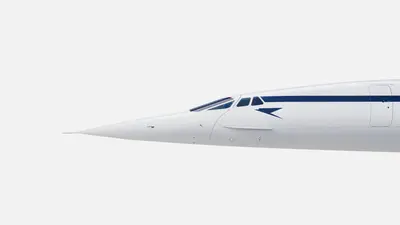
Few objects encapsulate the glory and hubris of human creation as well as Concorde, the supersonic airliner developed jointly by Britain and France, which was in service from 1976 to 2003. The culmination of decades of research and a joint development programme that ran throughout the 1960s, Concorde was a stunning technical achievement but also a commercial disaster; it took decades for the aircraft to break even and just 20 were built against projected orders of over 100.
Concorde 002 (G-BSST), the first British-built prototype, is unveiled to British Aircraft Corporation staff at Filton, Bristol, in September 1968 (Image credit: Archival image courtesy of BAE Systems archive) Yet, half a century after its first commercial flights (the routes were, surprisingly, London to Bahrain and Paris to Rio de Janeiro via Dakar) and 23 years after three BA aircraft roared low through the London sky en route to their final landing at Heathrow, one after the other, Concorde hasn’t quite departed from our cultural imagination. Everything from watches to supercars has been inspired by the aircraft’s slender delta wings and dart-like form.
ML Aviation Type 12P helmet, a high-altitude pressure helmet worn by Concorde test crews. It supplied oxygen and provided respiratory protection in the event of cabin depressurisation (Image credit: Photography by INK) ‘ Supersonic ’ is a special one-off exhibition by London-based creative studio INK. The studio has a long history of exploring the artistry of transportation tech, using photography, design and CGI to celebrate the best industrial design and technology. Previous projects include the ‘ plain bodied ’ series of racing cars; ‘ Wundercar ’, a celebration of Porsche’s 959; and collaborations with companies as diverse as Polestar , Nasa and Hermès.
Air-Ventilated Suit (AVS) worn by the British prototype crew during Concorde's early test flights to circulate air around the body to regulate temperature and reduce perspiration (Image c
Comments
No comments yet. Be the first to share your thoughts.