This viral TikTok ‘salt stomping’ trend is said to help you sleep better – but I’m not convinced
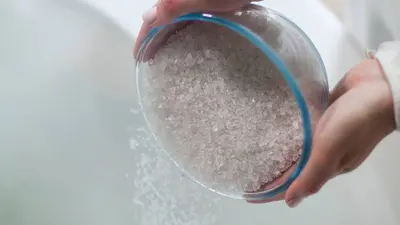
Why are people suddenly stomping on salt?! Well, according to the latest viral TikTok trend, it could be for a good reason.
As T3’s resident sleep expert, I’ve tried many TikTok sleep hacks . From drinking tart cherry juice before bed to using the military sleep method, there are a surprising amount of sleep trends that are actually effective, and some which, quite frankly, just don’t work at all.
But a recent sleep trend that I’ve seen making the rounds on social media is salt stomping. Lots of TikTok users are raving about how effective salt stomping is for sleep, while others say there’s no scientific evidence behind it – so what is salt stomping? And does it actually work?
What is the salt stomping sleep trend?
The name ‘salt stomping’ is quite self-explanatory, so if you thought it entails standing on salt, you’d be onto a winner there. Salt stomping involves you standing barefoot on coarse salt for about 10 minutes before you go to bed.
As shown on TikTok, many are using salt like sea salt, Epsom salt or Himalayan pink salt to try the trend, and are doing it either directly on the bathroom floor or in the shower. For 10 minutes, you are meant to ‘stomp’ on the salt, so continuously stand on it and shift your weight.
So, why exactly are people standing on salt? Many social media users are claiming that the coarseness of the salt is great for stimulating and massaging the pressure points on the feet. This action is said to feel relaxing, and helps lower cortisol levels and regulate your circadian rhythm.
Those who indulge in this trend also say the salt is great for exfoliating the skin and drawing out toxins.
Does salt stomping actually work?
Now to the most important question: Does salt stomping actually help you sleep better? According to those who have tried it, salt stomping is incredibly relaxing, and they’ve noticed differences in their sleep, from falling asleep quicker to less disruptions in the night.
But scientifically, there is no evidence to suppor



Comments
No comments yet. Be the first to share your thoughts.