After her mother’s stroke, Lara Porzak taped photos around her hospital bed. This book reveals what this taught her about memory and the power of photography
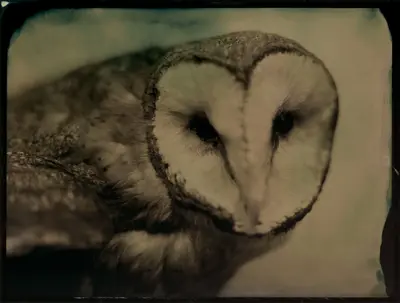
When the American fine art photographer Lara Porzak’s mother survived a massive stroke, her memory was badly affected.
As anyone with a relative who suffers memory problems will know, it helps enormously if they can be surrounded by familiar things. So Porzak did what came naturally.
As she recounts in her new book, The Chemistry of Memory : “I taped pictures of our loved ones to the walls surrounding her bed to reintroduce her to their faces, so she could remember her own identity."
She also included pictures of places they'd visited together, “so she could remember her footprint in the surrounding world”.
The good news is that things improved from there. In the decade since, her mother has re-learned how to hold a pen and a fork, and how to walk again. She now needs round-the-clock care, and lives with Porzak.
And this experience runs through the book, which brings together Porzak’s photographs from 1993 to 2025: horses, owls, butterflies, flowers and wide American landscapes, many of them made as one-of-a-kind tintypes.
Old-school techniques
Porzak is known for using labour-intensive, non-digital photographic methods, often utilizing vintage cameras and lenses from the late 1800s to create her photographs. While most photographers keep their darkroom chemicals well away from everyday life, she very much doesn’t.
Bottles of silver nitrate, ferrous sulfate and ethyl ether stand around the sink where she brushes her teeth. Rolls of black and white film sit in the fridge next to the cheese and vegetables. And her mother’s hospital bed is in the corner of her photography studio.
Carrara, 2013 (Image credit: Lara Porzak)
The Butterfly Effect, 2015 (Image credit: Lara Porzak)
Drooping Tulip, 2020 (Image credit: Lara Porzak) But that's not a failure of organisation, but a lifestyle choice. “I don’t separate my life of making photographs from my quotidian existence, they are one and the same,” she writes.
And that brings us to the all-important link between photography

Comments
No comments yet. Be the first to share your thoughts.