Three TV innovations that set the world alight – and two unfortunate flops

What Hi-Fi? has been running for a whopping 50 years, and that means we have access to half a century of magazine archives.
Included in there are, inevitably, some rather dated advertisements, to go along with a treasure trove of technology. And that means we can follow the history of every important piece of home entertainment equipment of the past half century – it’s like Who Do You Think You Are? for home cinema and hi-fi brands.
Looking back, of course, we got some things more right than others – hindsight is 20/20, after all. Here, we take a journey back through our archives to see which innovations quickly got off the ground, and which never quite took off.
Win: Smart TVs becoming the norm
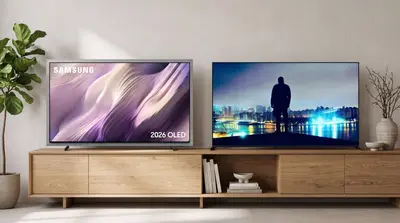
In the early 2010s, there were whispers that smart platforms would change how we interact with our TVs. Instead of relying on strict channel schedules and bulky external boxes, more companies were introducing TVs with internet access and downloadable apps.
The first smart TV to hit the shelves came in 2008 in the form of the Samsung PAVV Bordeaux 750. By CES (the enormous annual consumer electronics show that takes place in Las Vegas every January), in 2011, brands such as Sony, Panasonic and LG had joined the party and released their own smart TV models.
We said in our CES report that you could expect app support from sites such as Facebook, eBay, Skype and Napster. (If that list doesn’t make you feel old, I’m not sure what will.)
The landscape has, of course, shifted massively since then towards streaming, meaning services such as Apple TV and Disney+ are built-in to platforms.
In 2012, Samsung also launched the LED ES8000, which threatened to “make our remote controls redundant” thanks to voice and gesture controls. While we are not quite at the point where your TV set doesn’t come with a remote, voice control is now very much built into the DNA of the majority of TVs.
We had not accounted for the huge leap in AI technology that was on the horizon, where TVs can answer qu

Comments
No comments yet. Be the first to share your thoughts.