Memory shortage spurs smartphone makers to melt used memory off old devices, then re-solder it onto new products
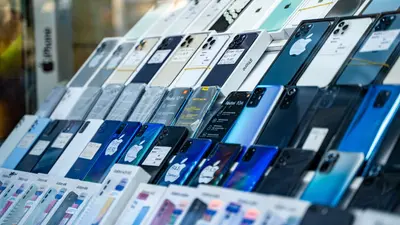
The smartphone industry is expected to see a spike in reballed memory adoption. According to a report by global market intelligence and research firm TrendForce, the current penetration rate is estimated at around 3–4%, with reballed memory primarily used in entry-level and budget smartphone models. However, this figure is expected to rise to 7–9% in 2027.
Reballed memory is recycled memory salvaged from older or discarded devices. The term reball comes from the process itself, in which the solder balls on a used memory chip are first melted so the chip can be removed from the old device, then re-soldered to a new device, thus allowing the component to be reused rather than discarded. You can see the process in action in the video below.
This offers manufacturers a cheaper alternative to sourcing new memory chips, potentially helping them keep production costs under control. Currently, reballed 4GB LPDDR4X memory modules make up the majority of such components on the market, and they are used in 4G smartphones priced below CNY 1,299 (approximately $200).
This tactic is becoming increasingly important for smartphone makers, as customers are particularly sensitive to price increases in the budget segment. This leaves limited room to raise retail prices without affecting demand. Using reballed memory can help offset rising bill of materials (BOM) costs while allowing brands to keep entry-level devices affordable.
TrendForce expects DRAM prices to rise even further in the first quarter of 2027, which may put additional pressure on smartphone manufacturers. As a result, the use of recycled memory and other lower-specification components could gradually expand beyond the entry-level segment and into more premium smartphones. What is currently a cost-saving measure for budget devices could eventually become a broader strategy for manufacturers looking to manage expenses amid a prolonged period of high memory prices.
The rising cost of memory is also pushing PC enthusias
Comments
No comments yet. Be the first to share your thoughts.