SpaceX says it could build more data center compute than Google's entire lifetime capacity in just 1.5 years — and analysts think they might be able to do it
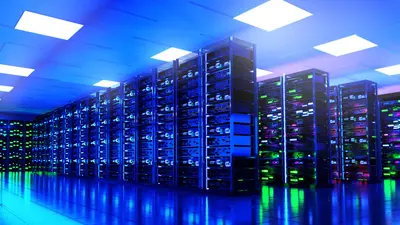
SpaceX wants to add 10GW of data center capacity during 2027
Analysts believe Musk's aggressive construction schedule could become reality
Colossus 2 is already demonstrating the scale of SpaceX's ambitions
SpaceX claims it could add an extraordinary amount of artificial intelligence computing capacity within the next 18 months, potentially matching Google's cumulative development over decades.
Elon Musk believes his company can install 10 gigawatts of additional data center capacity in 2027, an ambition that has attracted skepticism.
However, analysts believe the proposed expansion is achievable, citing construction progress, internal manufacturing capabilities, and access to dedicated power generation equipment.
SpaceX's construction pace could change the data center race
According to SemiAnalysis, SpaceX could increase its computing infrastructure from approximately 3GW to more than 10GW through developments planned across several locations.
If achieved, that expansion would represent approximately 10GW of additional capacity within 18 months, matching what Google accumulated throughout its entire existence.
The analysts point to the rapid development of Colossus 1 and Colossus 2 as evidence that Musk's ambitious construction schedule remains achievable.
Colossus 2 offers a particularly important example, with its electricity generation capacity reportedly increasing from 0.4GW in January toward 2.4GW by December.
The facility reportedly includes 89 gas turbines capable of generating approximately 2.5GW, alongside 1,377 Tesla Megapack battery systems installed across the property.
However, environmental restrictions will eventually limit the permitted output from those turbines to approximately 1.24GW, creating additional requirements for electricity supply.
The facility is also expected to receive approximately 1.2GW from the electricity grid, although analysts estimate another 300MW remains necessary.
Battery storage could help address that difference by supply



Comments
No comments yet. Be the first to share your thoughts.