The UN’s climate talks are tackling this major hurdle to renewable energy
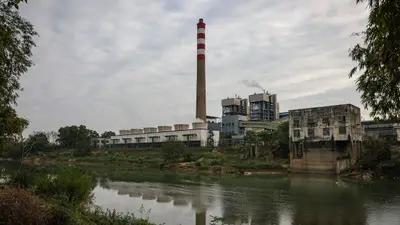
Outdated power grids are a major hurdle in the transition to renewable energy , since older systems often can’t absorb all the electricity from new, cleaner sources.
This threatens global efforts to curb climate change by reducing fossil fuels and switching to renewable energy such as solar and wind. At U.N. climate talks kicking off this week, co-hosts Turkey and Australia want more ambitious goals to slash fossil fuels, install renewables and upgrade grids.
Grid concerns are gaining urgency this year as nations race to improve their energy security following the Iran war . The U.N. recently launched a new initiative to rally funding for grid upgrades in Africa and Southeast Asia.
“There needs to be a massive, massive, massive scaling up of investments into grids if we are going to get close to meeting our climate, energy and development goals,” Selwin Hart, special adviser to the U.N. secretary-general on climate action, said.
Climate talks address grid bottleneck
At the U.N. climate talks, hosted in the Turkish resort city of Antalya, organizers describe modern and reliable electric grids as “the backbone of the clean energy system.”
But billions of dollars are needed to upgrade out-of-date grids. These steep costs could hinder further renewable energy installations.
During the U.N. General Assembly in September, the global body launched a Global Grids Accelerator to speed up international funding for electricity infrastructure in Africa and Southeast Asia.
“We’re very confident that the long-term trend is an acceleration of the pace of the energy transition, but we need the infrastructure, grids and storage, to really keep pace,” Hart said.
Annual investment in electricity generation, such as building new power plants, has risen by almost 70% since 2015, reaching $1 trillion a year, according to the International Energy Agency. Yet the agency noted annual grid spending has risen at less than half that pace.
To meet electricity demand through 2030, the



Comments
No comments yet. Be the first to share your thoughts.