Design Doha’s public commissions look to the past to design for the future
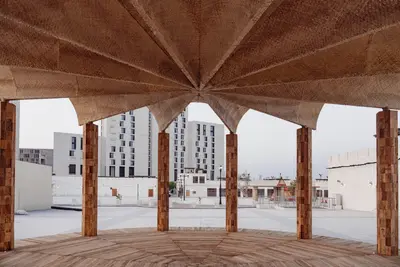
Activating the Qatari capital once again, the second edition of Design Doha returns with an expanded event that gathers the regional design scene, with over 20 exhibitions and more than 300 multidisciplinary designers and studios participating.
Located in the historic neighbourhood of Fereej Al Asmakh – a set of about 60 heritage houses, courtyards and shaded passageways that are now being restored and repurposed for cultural use – the biennial event (until 31 January 2027) will showcase its headline show 'Arab Design Now' and several satellite shows and installations around this hub (read our interview with two participating designers, Ola Znad and Aya Moug ).
One of the most anticipated programmes is the Public Design Commissions , presenting five winning spatial installations designed for public use, all drawing on regional approaches to water, materials, craft, climate and the built environment.
Curated by Javier Peña Ibáñez, the installations are all research-based explorations to how regional design and craft heritage can be transformed for our modern challenges and needs, from ancient irrigation techniques to sustainable vernacular craft.
Wallpaper* chats with each of the winning designers to unpack their installations.
‘Salsabil’ by Meriem Chabani
(Image credit: Luc Bertrand) Created by award-winning Algerian architect and urbanist Meriem Chabani, ‘Salsabil’ draws on Qatar’s heritage of water cooling through ceramic craftsmanship, combining passive cooling techniques with contemporary urban misting.
Formed from dozens of ceramic spheres that function as architectural bricks, the installation acts as an urban shelter that aims to create cooler, more pedestrian friendly public spaces – a rising concern in the Middle East as climate change pushes record temperatures higher every year. Chabani’s installation asks how architecture can help.
(Image credit: Luc Bertrand) 'The project takes inspiration from the traditional salsabil , a water feature found in court

Comments
No comments yet. Be the first to share your thoughts.