5 incredible things to look for in the night sky this winter, from meteor showers to supermoons
If you bought a pair of protective glasses this summer and enjoyed catching a glimpse of the best solar eclipse since 1999 , there are more opportunities to enjoy some spectacular astronomical sights this winter… no kit required (although a decent telescope wouldn’t go amiss ).
Astronomical winter begins on the winter solstice – the shortest day of the year – which falls on 21 December 2026, but most of us mark the beginning of winter using the meteorological calendar, on 1 December, running until the end of February.
Of course, these months can be pretty wet and cloudy in most parts of the world, making a clear view towards the heavens more difficult. Then there’s light pollution. To maximise your chances of seeing any stars, meteor showers or planets, it’s best to head somewhere dark. Check out this map to find the nearest dark place near you.
So what spectacular sights can we see if we look up between December and March?
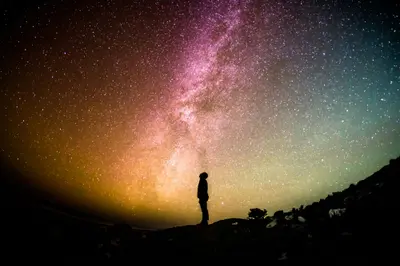
Photo by Austin Human on Unsplash
1. Marvel at the multicoloured Geminid meteor shower
First up is the Geminid meteor shower. Known for being one of the best meteor showers of the year, this annual event makes the long December evenings slightly more bearable and exciting. It’s possible to see up to 120 meteors at its peak on 14 December if you’re in a dark place, making it the ideal event for impatient beginners.
But what will you actually see? The streaks of light, popularly (but inaccurately) known as shooting stars are actually pieces of debris entering Earth’s atmosphere at speeds of up to 70km/second where they vapourise. Some beautiful streaks can be caused by debris as small as a grain of sand!
Most excitingly, Geminid meteors are unusual in being multi-coloured due to the presence of traces of metals like calcium and sodium, which like fireworks, leave trails of white, yellow, green, red and blue depending on the metal. As Geminid meteors are often slower than those from other meteor showers, they appear to last longer, making wr

Comments
No comments yet. Be the first to share your thoughts.