macOS on PC becomes possible again thanks to Apple Silicon translator for x86-64
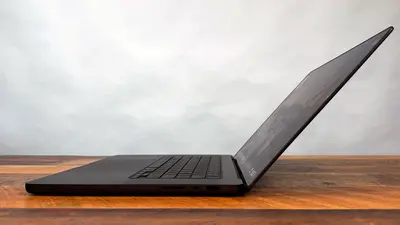
The eternal spiral of computing gets yet another loop. Apple introduced its own Arm-based chips in 2020, surprising the world with a series of SoCs with a particularly high power-to-watt ratio, a perfect fit for the company's quality portables. As the designs improved on raw performance, Apple shifted away from Intel-based Macs. That meant that enterprising hackers who ran macOS on their PCs could no longer do so — until today, thanks to the Stela Apple Silicon translation layer .
Stela is a minty-fresh new project from Tyler Smith, and it's just gotten started, with three releases since the first 0.1 version in barely half a day. The author warns that "it is slow and not very stable," but those warnings are somehow invisible to techies trying out a new toy. For practical purposes, Stela is a Linux-based UEFI application for loading macOS 27, presenting a virtual M2 Mac Mini to the operating system.
The developer answered a couple of questions in the project's Discord server , and he remarked that the macOS image to be used is not modified at all: "Stela provides the translation and hardware behavior underneath that lets macOS go through the exact same restore process you might do on a real Mac."
The server has seen a substantial influx of users, many of them posting photos of their PCs near-booting macOS. Predictably, most of the questions were about supporting their own particular hardware, but the excitement is palpable.
To get started, all you need is to download Stela from the release pages , provide a USB stick to then boot your PC with, and, naturally, your own copy of macOS. Stela will take care of translating AArch instructions into x86-64. The translation layer uses a combination of ahead-of-time and just-in-time (JIT) compilation for the CPU, and translates Apple's Metal graphics layer calls to Mesa's NIR instructions.
The hardware requirements are basically potato-level, requiring only an x86-64-v2 — a 2008 Intel Core chip, or a 2011-vintage AMD FX proce
Comments
No comments yet. Be the first to share your thoughts.