I did the 'soleus push-up' desk drill every work hour for a week — here are the surprising results I've noticed so far
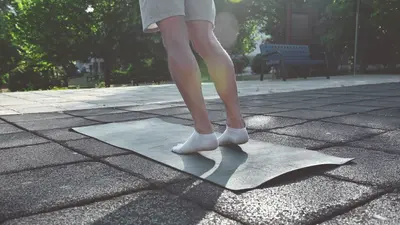
I didn't know until quite recently that your calves are known as the " second heart " because they help pump deoxygenated blood back up the body. Not only that, but they also play a role in absorbing force during lower-body movement and provide stability to your lower limbs.
I'm not great at sitting still, so during my working days at my desk, I am known to have a quick wander to quell restless legs , and recently I learned about an exercise called a soleus push-up.
I've been performing maximum reps every hour while seated during my workday, and I've noticed a few things so far. Read on to find out more.
What is a soleus push-up?
A soleus push-up (SPU) is a seated calf raise exercise that targets the deeper calf, or soleus muscles.
Here's how to do soleus push-ups:
(Image credit: Shutterstock) Sit in a chair with both feet flat and knees bent
Lift your heels and press through the balls of your feet
Pause at the top and squeeze your calves
Slowly lower your heels down
Repeat for as many reps as you can in a smooth motion, totaling 60 seconds.
Why it works
Collectively, the soleus and gastrocnemius muscles form your calves and are referred to as a secondary heart. These muscles help pump blood toward the heart, squeezing the veins with contractions so oxygen-depleted blood travels up the body rather than pooling in your lower limbs.
To keep circulation going, being as active as possible helps, including walking, running, or cycling. You may also find elevating your legs at times can be useful, especially after prolonged sitting. But if you don't fancy swinging your legs up onto your desk in the office, seated calf raises or soleus push-ups can help.
But before we get into what happened when I tried it every hour, every day, for one week during work, there's a study I think you should know about. Published in the Journal of Biomechanics , the research found that people with chronic heart failure had smaller calf muscles (namely, the deeper soleus muscle that helps us

Comments
No comments yet. Be the first to share your thoughts.