Doctor reveals one of the most common triggers for waking up at night — and how to fix it so that you start sleeping through again
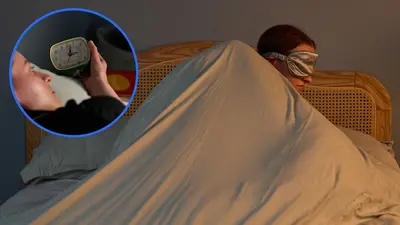
Brief awakenings are a normal part of sleep, but constantly waking up at 3 a.m. and being unable to fall back asleep can be a cause for concern. While it's clear that middle insomnia can lead to poor health and low energy levels, what isn't so clear is why we wake up in the middle of the night.
While everyone's experience with night-time awakenings are different, research has shown that there some common causes for disrupted sleep. The U.S. Sleep Hygiene Report by MattressNextDay surveyed 1,500 Americans across all 50 US states and found that the top reason for middle insomnia is thirst, with 36% of respondents sharing that they wake up at night because they need a drink.
"You might not even realize you're thirsty until you're wide awake, but by then, the quality of your sleep has already taken a hit," says board-certified internal medicine physician Dr. Danielle Wall, M.D.
To find out why thirst disrupts sleep and how to fix it, I've called on Dr. Wall and Sammy Margo , a physiotherapist and resident sleep expert at Dreams. So, read on to find out what's behind your nocturnal need for a glass of water, plus how you can keep thirst at bay throughout the night.
How does thirst wake you up through the night?
(Image credit: Getty Images) Research shows that there is a strong link between dehydration and shorter, fragmented sleep, with Dr. Wall telling me we should think of thirst as a "biological wake-up call".
"When you're dehydrated, your brain triggers a response to get you to find water, which effectively pulls you out of your sleep," explains Dr. Wall, Sit 'n Sleep 's resident medical reviewer.
The doctor warns that waking up for a glass of water disrupts our sleep cycles, which then prevents us from getting enough " deep, restorative rest ".
Chartered physiotherapist Margo says that cutting deep sleep short impacts your readiness to face the day ahead, too.
(Image credit: Future) "These interruptions may make it harder to enjoy a continuous, restful night's sle



Comments
No comments yet. Be the first to share your thoughts.