US marijuana farms are becoming AI data centers — they already have the water and power needed, and with weed revenues falling, it seems an ideal switch
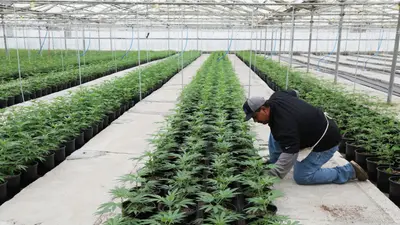
Falling cannabis revenues are pushing growers to reconsider cultivation properties
Former marijuana farms have infrastructure that could support smaller AI data centers
AI demand is giving struggling cannabis properties an unexpected commercial purpose
The expansion of artificial intelligence infrastructure is creating another possible use for facilities originally constructed to support large-scale indoor marijuana production, new reports have claimed.
At the same time, declining marijuana prices are forcing some American cannabis growers to reconsider the future of their cultivation properties as operating costs continue rising.
Several former and current operators are therefore examining whether existing cultivation buildings could accommodate small data centers without requiring entirely new construction.
Existing infrastructure makes cannabis properties attractive to data center operators
Cannabis cultivation requires substantial electricity and water supplies, particularly for indoor operations involving artificial lighting, ventilation, cooling, and humidity regulation.
These requirements have left some facilities with electrical connections, industrial cooling equipment, and water infrastructure that could reduce the initial requirements for establishing computing operations.
In Kalamazoo, Michigan, a 32,850-square-foot cultivation property already has electrical capacity of 1.5 megawatts, with considerable room for expansion.
Its electricity supply could reach 2.5 megawatts within one year, while longer-term improvements could eventually increase available capacity to 15 megawatts.
The property also has fiber internet connectivity and an advanced heating, ventilation, and air conditioning system suitable for maintaining controlled indoor temperatures.
These characteristics could make former cultivation facilities attractive to companies seeking smaller computing locations instead of constructing new industrial complexes.
“For some reason, there's a lot more



Comments
No comments yet. Be the first to share your thoughts.