Plugs, Boots, Copper – Know Your Cable Maintenance & Replacement Parts
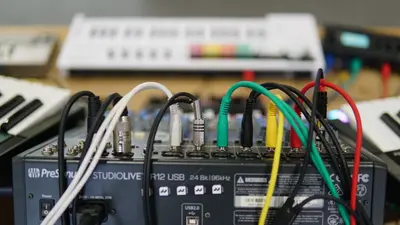
Credit: TStudio, Pexels
In an active and labor-intensive production environment where equipment is constantly being moved, jostled, transported, tugged, overall put through the wringer, your gear is going to come out the other side a little war-torn. It’s the ultimate inevitability of filmmaking. Nothing remains durable forever. Every scuff and scar is the hallmark of a successful shoot, counting down the days until your old reliable finally gives up the ghost.
Cables are far, far from the exception.
Cables probably suffer the brunt of degradation. They are as fragile as they are robust, a product of how widely they are relied on for moment-to-moment production, regardless of type or function. Even cables that boast rock-solid build quality aren’t immune. They may last considerably longer, but still must eventually face their mortality.
As such, backups and replacements are practically a required consideration when assembling equipment for any given shoot. More often than not, replacement cables are inexpensive, practical, and generally the safest way to proceed with degraded equipment. It’s better to swap and move on than stubbornly hold onto a cable that’s at an increased risk of malfunctioning or starting a fire. Manufacturers such as Mogami offer a wide breadth of inventory suiting different needs, from RCA , to XLR , and patch cables .
However, not every production situation is equal, and there can very well be a moment where a technician may prefer to get hands on.
When to Repair Instead of Replace?
Making this decision comes down to three factors: the type of cable, the severity of the degradation, and, as mentioned above, safety risks.
For starters, damage to the cable jacket is not a death sentence. Not right away. Minor cosmetic wear, discoloration, or superficial scuffing, in most cases, won’t have any bearing on the cable’s actual performance. It’ll just look a little ugly. However, exposed shielding, compromised insulation, fraying conductors, i

Comments
No comments yet. Be the first to share your thoughts.