The future of datacenters depends on behind-the-meter energy generation
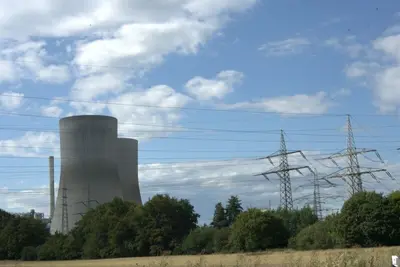
For the last decade, the datacenter industry has been a quiet engine of the digital economy. It was a background utility that just worked. However, datacenters are no longer passive consumers of electricity. They are becoming active participants in energy generation, storage, and grid management through behind-the-meter infrastructure. This is being driven by the explosive rise of AI and a manufacturing renaissance. Power demand is growing again, increasing an average of 2.1 percent annually over the past five years, with datacenters emerging as a dominant driver of long-term growth.
Electric Power Research Institute projects that datacenters could consume as much as 17 percent of U.S. electricity by 2030 , more than triple their current 4-5 percent share. This massive spike in demand is clashing directly with a severely constrained power grid. Key regional utility transmission organizations are expected to face critical reserve shortfalls as early as 2028. At the end of 2025, more than 2,060 GW of new generation and storage capacity was represented by projects actively seeking interconnection to the U.S. grid. For the projects that successfully reached commercial operation, the process took a median of more than five years from request to completion.
To keep building at the speed of innovation, datacenter operators are fundamentally rethinking their relationship with power , shifting from being passive grid consumers to active, localized energy producers. Grid capacity is no longer the ceiling. Instead, the next chapter of digital infrastructure will be written behind the meter.
Behind-the-meter (BTM) refers to energy assets located on the customer side of the utility connection, including battery systems, microgrids, generators, fuel cells, and distributed energy resources that can operate independently of grid constraints.
The Role of Battery Energy Storage Systems (BESS)
While every datacenter developer faces grid constraints, the industry’s two dominant busines

Comments
No comments yet. Be the first to share your thoughts.