The smartest AI might be the one that leaves us alone
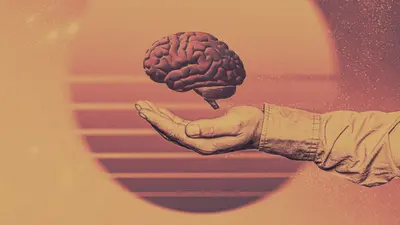
One of the ideas I’m always trying to tell my students is that their brains are something, an asset, if you like, they need to protect. The human brain is an amazing optimizer: Provide it with an effortless way to achieve something, and it will quickly start to use it. We used to memorize a ton of phone numbers a few decades ago. Now we can hardly memorize our own, simply because our brain knows the number is a few clicks away.
A clear example is why I never use AI to write my articles: simply because, for me, in my personal methodology as a professor of innovation, writing is my way of making concepts stick in my brain, concepts I will need later to teach and discuss. If I ask ChatGPT, Claude, Gemini, or any other chatbot to write my articles for me, I would lose much of the learning that writing gives me.
This doesn’t mean I don’t use AI: I can use it to translate certain parts, to search for relevant articles to back up an assertion, or to assess whether the concepts I try to explain come across clearly. But I don’t want to use it for writing, because writing is a skill I want to protect. And like a muscle, if you don’t exercise it, it quickly atrophies.
For a manager, the skill worth protecting might be decision-making: An AI that makes every choice could undermine precisely the judgment that person needs to develop. The useful behavior depends on the objective, and sometimes that objective requires the system to hold back.
What happens when we move from personal to corporate use? Can an AI learn when its intervention would make things worse? That capability might receive very little applause in a product demonstration, but it could be enormously valuable in practice.
The sales agent that lets us be
Imagine a company using a sales agent. When it identifies a customer approaching renewal, it follows a standard procedure: It quickly reviews the account, writes a personalized email, offers a discount, and schedules a follow-up. All of it in mere seconds. And


Comments
No comments yet. Be the first to share your thoughts.