AI data center power demand will double by 2030 thanks to $4 trillion in spending, adding an entire Great Britain to energy strain
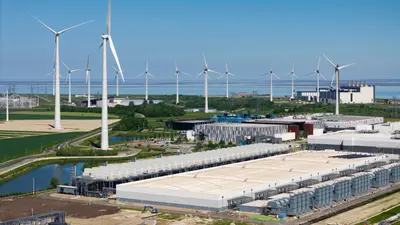
The AI data center build-out is pushing electricity grids across the globe, with many regions facing demand from projects that would exceed the current peak load that each system could support. According to the International Energy Agency’s (IEA) World Energy Outlook 2026 report , a total of 120GW of capacity is currently available across all types of data centers across the globe, with another 120GW expected to be completed by the end of the decade, 75% of which would be dedicated to artificial intelligence. Aside from that, it’s also tracking 93 large “AI factories” that are either under construction or being expanded via satellite imagery. It estimates that the capacity for these sites grew from under 2GW to 17GW in just two years, and that they’re expected to hit a total of 50GW upon completion, the equivalent of adding a second Great Britain to power demand.
Go deeper with TH Premium: AI and data centers
(Image credit: Microsoft) The data center cooling state of play
The custom AI ASIC state of play
America’s AI chip rules keep changing — and the rest of the world is paying the price
GTC 2026: Ian Buck press Q&A transcript — VP of Hyperscale and HPC speaks out on shelving CPX and shipping LPU decode this year
Demand for data center CPUs has surged, and AI agents are responsible
This massive power consumption is one of the reasons for the opposition against their construction in communities, with residents blaming them for increased utility prices. However, the IEA says that its analysis “does not yet show a clear relationship between growth in data center capacity and increases in electricity prices.” It noted that if a data center uses existing capacity and pays for its share of the cost, then it could potentially lead to lower utility bills for all customers. However, if the grid operator is required to upgrade its system to accommodate the large consumer, then it could also lead to increased monthly bills if the costs are spread across all users.
Emissions


Comments
No comments yet. Be the first to share your thoughts.