Paid for an ExpressVPN auto-renewal you didn't want? Californians may be owed up to double that sum
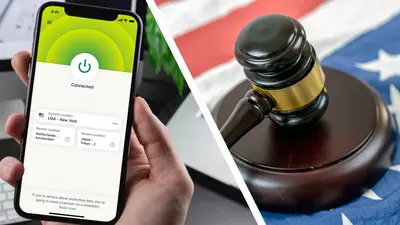
ExpressVPN agreed to pay $3.9M to settle a California auto-renewal lawsuit
Eligible subscribers can claim up to double the charge
The window to raise the claim closes on January 12, 2027
California residents who were automatically billed for ExpressVPN between September 15, 2022, and June 13, 2025 can now apply for a payout from a $3.9 million class action settlement .
Eligible claimants can request up to twice what they paid during that period, while former subscribers will also receive a three-month voucher.
The deal resolves Marin et al. v. Express Technologies, Ltd. in San Diego County Superior Court.
While ExpressVPN remains near the top of our best VPN rankings for security and streaming, its subscription billing has faced legal scrutiny alongside rivals NordVPN and Surfshark .
Users outside California cannot claim from this fund, and payouts are not guaranteed yet. A judge must still grant final approval at a hearing scheduled for February 19, 2027.
What the class action was about
(Image credit: ExpressVPN) The dispute started in June 2025, when a federal lawsuit accused ExpressVPN of violating California's Automatic Renewal Law and False Advertising Law. Plaintiffs alleged the company enrolled users in recurring plans without "clear and conspicuous" renewal disclosures or "affirmative consent" before billing their cards.
After mediation in March 2026, the case moved to state court and won preliminary approval on September 9, 2026, according to reports .
During the litigation, ExpressVPN updated its auto-renewal practices, stating in court-approved settlement documents that it did so "solely to further ensure compliance with all potentially applicable laws," as reported by the official court-appointed settlement website .
When approached by TechRadar, an ExpressVPN spokesperson said: "ExpressVPN has agreed in principle to resolve a California matter dating back several years, without any admission of wrongdoing. We disagreed with the claim, which related to



Comments
No comments yet. Be the first to share your thoughts.