How Thanksgiving travelers are feeling about holiday air travel after widespread tech outages
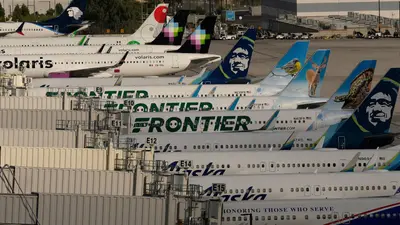
At this point, it’s practically as much of a Thanksgiving tradition as turkey and stuffing — crowded airports , long lines , jam-packed flights, the ever-present worry about delays and cancellations and extra expenses.
And for 2026’s busy holiday travel week, which effectively begins Friday, there’s another ingredient now: new concerns about the possibility of disruption and chaos when it comes to air-travel infrastructure in the wake of a nationwide ground stop last week — the first since 9/11 — and a separate airline outage a few days later. Not to mention other, non-air-travel outages and tech problems that are causing nails to be bitten and hair to be pulled across the nation.
The thought of the potential travel problems is enough to make Tracey Evers feel iffy about whether she should continue with her plans to fly to the Caribbean this weekend to see her mother for the upcoming week or not, because she has things to take care of and getting stuck away from home would be a hassle. She’s pretty sure she’s not the only one.
“For a lot of people, especially as they’re paying attention and because it’s in the news where they’re tying together all of the IT-based infrastructure challenges we’re having … I think more and more people are now getting anxious,” said Evers, of Raleigh, North Carolina, an executive in the energy industry whose work requires frequent travel.
It’s an anxiety fueled by the past 10 days’ tech failures across industries and government — for airlines and in other sectors. But it’s a familiar one, too.
Americans are no strangers to complaining about flying. They have been doing so in different ways for decades as air travel grew into a staple of American life. And it’s one they’re likely going to find a way to deal with for as long as it remains so, as seen in examples like the resurgence of air travel following the COVID pandemic.
But, just like bad weather, it irritates many Americans while dissuading comparatively few.
“For the most pa



Comments
No comments yet. Be the first to share your thoughts.