GTA 6’s 30 FPS lock broke my PC gamer brain — until I turned on the one TV setting I swore I’d never touch
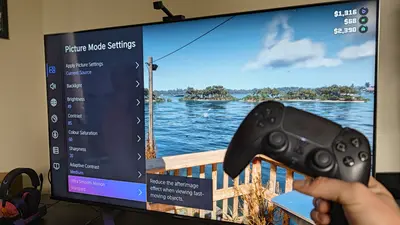
If you’ve ever bought a new TV and invited a tech nerd like me into your living room, you already know I’m grabbing your remote, diving into the picture settings, and disabling motion smoothing.
For movies and prestige TV, it is a crime against humanity — turning a cinematic masterpiece into an episode of "Days of Our Lives " shot on a camcorder. I hate it. Tom Cruise hates it. You should hate it too.
And yet, here I am, playing Grand Theft Auto VI with motion smoothing cranked on, and refusing to turn it off.
Shop our top pick Black Friday TV deals right now (they all have motion smoothing)
@tomsguide
♬ GTA San Andreas Theme (Remake)
How could you do such a thing, Jason!?
(Image credit: Future) To understand how I ended up committing TV heresy, you have to understand the shock to the system that is GTA 6’s frame rate. Coming straight from my monster PC rig playing games like Resident Evil Requiem at up to 214 FPS , dropping back down to a strict 30 FPS console lock feels like wading through treacle.
But on top of that, as I’ve seen (and you’ve seen on Digital Foundry’s test ), that 30 FPS lock isn’t an actual lock . It can dip into the mid-20s during heavy scenes. Coming from super fluidity, that 30 FPS is brutal to adapt to.
So out of sheer desperation (and because we’re stuck waiting for the PC port), I broke the golden rule and toggled my TV’s smooth motion setting on.
And I hate to admit it, but it’s basically bootleg DLSS Frame Generation for your living room.
How the forbidden setting actually works
Just like PC frame generation tricks of old, your TV’s motion interpolation processor looks at two real frames from your console, guesses what should happen in between them, and inserts an artificial frame to smooth out the motion.
The moment I flipped it on in GTA 6, that nauseating camera stutter when cruising down Ocean Beach vanished. Panning around a crowded street or taking a high-speed corner suddenly felt dramatically more fluid — nowhere near 60 fps, a



Comments
No comments yet. Be the first to share your thoughts.