Neuralink wins FDA approval for first pivotal brain-computer implant trial in the US
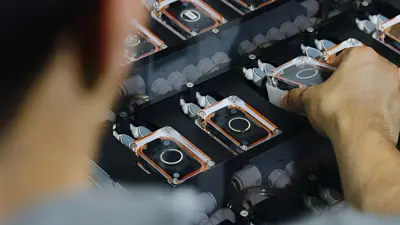
Neuralink has received US Food and Drug Administration (FDA) approval to launch LINK, the first pivotal clinical trial in the country for an implantable brain-computer interface (BCI). The study will evaluate the safety and effectiveness of the company’s technology in people with severe paralysis caused by amyotrophic lateral sclerosis (ALS).
Announcing the development on November 25, Neuralink said the trial builds on its ongoing early feasibility studies in the US, Canada and the UK, which have involved more than 30 implanted participants. Together, these participants have contributed thousands of hours of real-world use of the company’s brain-computer interface.
The LINK Pivotal Study will examine how effectively participants can use the Neuralink system to control digital devices through thought. The company said the research would focus on functional outcomes that could improve independence in everyday life, alongside the long-term safety and reliability of the implant.
Neuralink said enrolment for the study is now open, with the programme expected to expand across multiple clinical sites in the US.
Implant reads brain signals
The system being evaluated uses Neuralink’s N1 Implant, which records neural activity through fine electrode threads placed in the brain’s motor cortex, the region associated with movement.
The implant detects electrical signals associated with intended movements and translates them into commands that allow users to interact with digital devices. Participants can learn to move a computer cursor by imagining moving their hand, without physically moving their limbs.
Neuralink’s existing Telepathy programme has demonstrated cursor navigation and mouse functions, including left, right and middle clicks. Participants have also used the technology for activities such as messaging, browsing the internet, writing code, creating digital artwork and playing video games.
The implant is inserted using the company’s R1 surgical robot, which pl



Comments
No comments yet. Be the first to share your thoughts.