The sky was once full of stars, kids; then the FCC let Elon Musk launch a million datacenter satellites
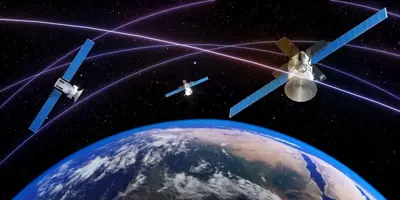
The United States Federal Communications Commission has approved SpaceX’s plan to launch a million datacenter satellites.
The regulator on Wednesday published an order [PDF] allowing SpaceX to operate a “Non-geostationary satellite orbit (NGSO) constellation of 1,000,000 satellites deployed into orbital shells each spanning 50 km at altitudes from 500 to 1,002 km and in 30-degree inclinations and sun-synchronous inclinations.”
The order requires SpaceX to ensure its satellites’ radios don’t interfere with US government systems which use the 28.6-29.1 GHz band and requires the company to stick to operating within the parameters it files with the International Telecommunications Union.
SpaceX asked the FCC to waive its rule requiring the atmospheric disposal of dead satellites orbiting at 2,000 km or less.
Elon Musk’s company asked for “flexibility to dispose satellites operating above 600 km altitude into Earth disposal orbits or heliocentric orbits.”
The FCC found SpaceX did not provide enough information to let it assess if proposed “alternative disposal methods” are compliant with regulations, so deferred its decision on the waiver request.
“SpaceX must file an application for modification of this authorization and provide sufficient justification for any requested waiver(s) of the Commission’s rules,” the order states. The company must also file twice-yearly reports about “conjunction events” – moments when its satellites get dangerously close to each other, or other orbiters.
Whether orbiting datacenters are feasible, make sense, or will ever pay for themselves, remain open questions.
Analyst firm Gartner has described the idea as “ peak insanity .”
Google thinks orbiting datacenters become viable if launch costs fall to $200/kg, which would mean SpaceX needs to launch its massive Starship 1,800 times. SpaceX’s assumptions assume near-daily launches, far better than its current cadence of a launch every three days or so.
Fundamental networking research must also



Comments
No comments yet. Be the first to share your thoughts.