US Marines debut 10 Archer attack drones for first time in seven-month rotation
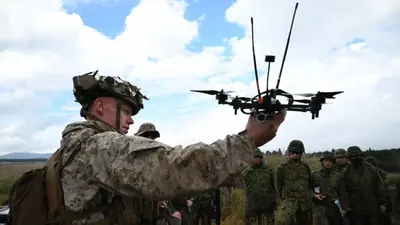
As part of its seven-month deployment to Australia, the Marine Rotational Force-Darwin has for the first time deployed Neros Archer first-person-view (FPV) strike drones and the Tactical Resupply Unmanned Aircraft System (TRUAS). Around 2,000 Marines served on the deployment.
Those last left for Camp Pendleton in California in late October, Col. George Flynn, commander of the force, told Stars and Stripes . In addition to Australia’s Northern Territory, training occurred in New Caledonia, French Polynesia, the Philippines and Papua New Guinea.
Flynn noted that as the use of drones has increased in Ukraine, militaries are seeking to broaden their drone strike and defense provisions. “You’re watching what is happening in Ukraine and everybody is trying to add to their drone strike and drone defense capabilities,” he said.
The force deployed 10 Archer drones to Australia. However, Flynn did not specify which model was utilized. Last month, Marines in Japan were seen testing a model of the drone which according to the manufacturer’s website features eight-inch propellers and can transport a five-pound payload for 10 miles.
Archer strike drones and TRUAS demonstrate battlefield capabilities
Images and videos published by the rotational force show the Marines using Archer drones for strike missions in Queensland’s Townsville Field Training Area. This site was also where TRUAS was showcased for an exercise involving medical resupply.
The TRUAS drone transported a mock blood supply contained within a fridge across 1.5 miles from an Australian medical facility to a Marine medical facility. This assessed how drones can be employed for the resupply of medical goods from one field site to another.
While adopting novel technology, the Marines must continue to maintain their effectiveness in remote and difficult environments, according to Flynn. Training was also conducted with allied regional nations.
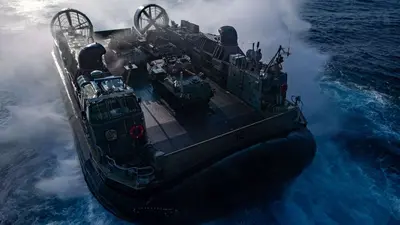
Marines expand crisis-response capabilities and amphibious training
I

Comments
No comments yet. Be the first to share your thoughts.