Ukraine is now using lasers to kill drones — 4Kw Blysk anti-UAV system can shoot flying adversaries up to one kilometer away
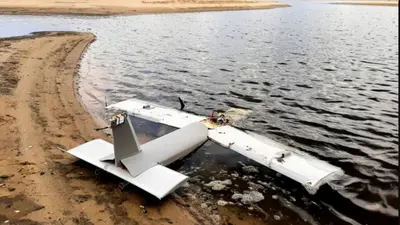
Ukraine has deployed Blysk, a domestically developed laser system targeting incoming drones
The weapon uses a four-kilowatt beam to damage aircraft structures
Blysk can reportedly engage aerial threats from distances reaching one kilometer
Ukraine has introduced a domestically-developed laser weapon into its air defense network, adding another technology against enemy drones.
Blysk uses a concentrated 4-kilowatt laser beam to damage aircraft by heating and burning their external structures.
Developed by Carmine Sky, the installation can engage aerial threats from distances reaching one kilometer, although its combat effectiveness remains unproven.
Ukraine deploys a 4kW laser weapon against incoming drones
The installation reportedly entered combat service in early November 2026, following development by Ukrainian defense technology company Carmine Sky.
Its introduction comes as Ukraine expands its protection network against Russian unmanned aircraft, including cheap attack drones and faster jet-powered variants.
According to the developers, Blysk identifies approaching aircraft, tracks their movement and directs concentrated laser energy toward vulnerable sections.
The resulting heat damages the aircraft's exterior, potentially disabling its structure and preventing continued flight.
The company says small first-person-view drones can be destroyed within fractions of a second after the laser reaches them.
Larger aircraft, including Shahed and Geran drones, require longer exposure because their external structures contain multiple protective materials.
Despite entering service, the installation had not recorded a successful interception when the developers spoke to journalists.
Carmine Sky attributed the initial absence of confirmed engagements partly to persistent cloud cover and fog around Kyiv in November.
Atmospheric conditions present an important limitation because laser energy becomes less effective when moisture and suspended particles interfere with transmis



Comments
No comments yet. Be the first to share your thoughts.