650 GW of power: Underwater tidal kite could unlock energy just 82 feet deep in sea
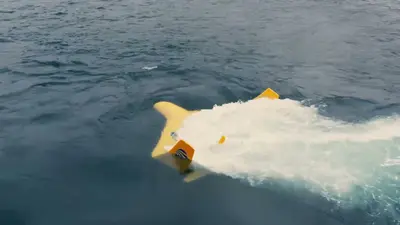
An underwater tidal energy kite has just received an upgrade that lets it generate electricity in waters as shallow as 82 feet (25 meters) as well as harness currents reaching 11.2 miles per hour (five meters per second).
The kite, dubbed T-Dragon, was developed by Swedish marine energy company, Minesto. It could reportedly make tidal power generation commercially viable in areas previously considered too costly to develop.
According to Minesto officials, the upgrade could give the company access to the entire 650 gigawatts (GW) of tidal energy potential it had previously identified. It could also open up additional opportunities for tidal power generation.
Martin Edlund, PhD, Minesto CEO, emphasized the importance of the technology. “We’ve expanded the market for our Dragon Technology to include a segment the tidal sector has spent more than two decades developing,” he elaborated.
Harnessing tidal energy
Minesto’s Dragon technology relies on underwater kites that harness the kinetic energy of the moving water. The newest version can operate at sites with water depths of roughly 82 to 98 feet (25 to 30 meters).
It also works in high-speed tidal flows, and retains the original design’s low costs and efficient installation steps. The upgrade makes it possible for the company to develop commercially viable tidal farms in shallow waters.
Technicians lifting a yellow Minesto tidal energy kite at a coastal site.
Credit: Minesto
Minesto stated that with the two versions of its Dragon kite , it could develop tidal power efforts at all existing tidal energy sites across the globe. “We can now offer Dragon Technology to projects and project developers at all the world’s existing tidal sites, where much of the groundwork is already in place,” Edlund added.
The company believes the technology could be particularly useful in areas where significant development work has already taken place, but where traditional tidal power systems have proven too costly to compete. Thes
Comments
No comments yet. Be the first to share your thoughts.