HPE and Dell both claim they're "a different company" as the next phase of AI nears — but what will that actually mean going forward?
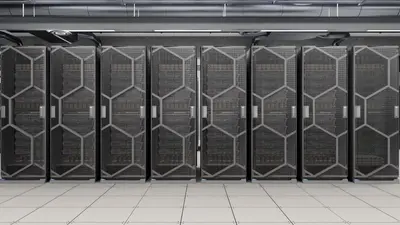
HPE and Dell told investors on consecutive days that they are now "different" companies, both citing AI
Dell's ISG earned about 91% of segment operating income, but traditional server revenue more than tripled as units fell
Memory-driven price inflation flatters both companies' outlooks, so margin guidance and the shortage's end are the real tests of where the companies stand today
The two biggest names in enterprise servers have recently told investors the same thing: AI is reshaping them completely.
To quote verbatim: "We are now a fundamentally different company," HPE CEO Antonio Neri said in the company's fiscal 2026 fourth-quarter results .
A day later, Dell vice chairman and COO Jeff Clarke used almost identical words in Dell's third-quarter fiscal 2027 results : "We are now a different company."
A networking story meets an infrastructure story as memory prices become key
And while the phrasing matched, the reasoning perhaps did not. Neri tied HPE's change to its Juniper Networks acquisition and to products "built to capitalize on the next phase of AI," while Clarke pointed to a revenue mix in which Dell's Infrastructure Solutions Group (ISG) now generates most of the company's profit and growth.
When you look closely, though, both claims rely on something neither company engineered but benefits from, at least in terms of revenue: a historic memory shortage that is pushing server prices sharply higher.
HPE's case for reinvention rests on networking: Its $14 billion acquisition of Juniper Networks closed in July 2025 after more than 18 months of regulatory scrutiny, and the deal quickly reshaped the business. A year ago, Constellation Research analyst Holger Mueller observed that "half of HPE profit came from networking."
This quarter tells a different story. Revenue rose 50% to $14.5 billion, but networking grew just 12% to $3.06 billion, and its operating margin slipped from 23.4% to 22.1%. The growth came from the Cloud & AI segment, up 68.6% to $11.3 billio

Comments
No comments yet. Be the first to share your thoughts.