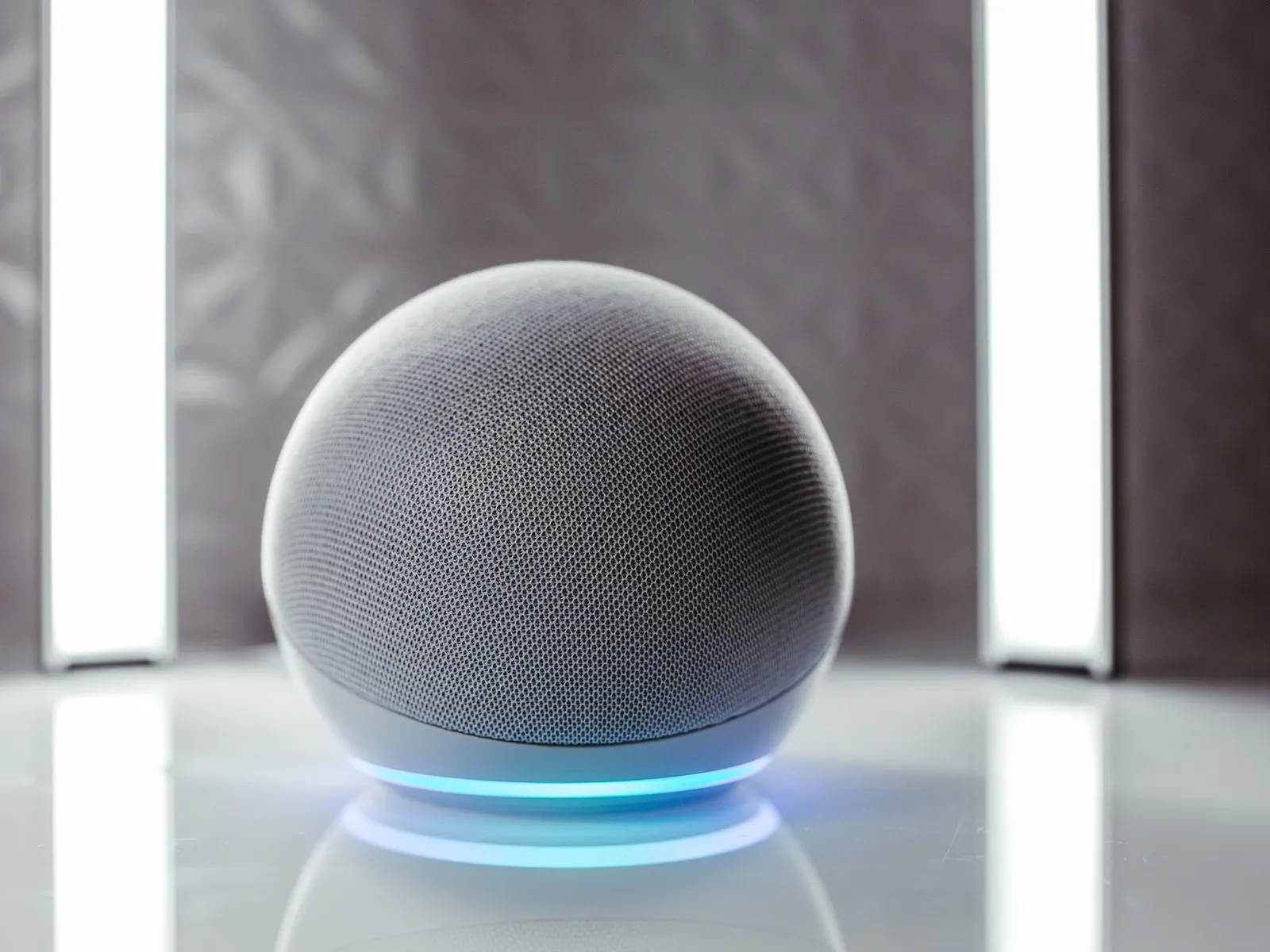
GearDance Weekly (Issue 3): AI Buttons, Super-Slabs, and the Memory Squeeze
Issue 3 — the week of November 19, 2026. An AI voice button hits Kickstarter, Motorola's 1,599-dollar super-slab goes on sale, Black Friday week opens, and the memory crunch reshapes the gadget market.
Top Story
Nvidia's boardroom saga took another turn this week. Following reports that the board was preparing to remove CEO Jensen Huang, Chinese-language tech briefings on November 18–19 say Huang offered to return, only for the board chairman to refuse and confirm a search is under way. The company also posted quarterly revenue of roughly $115.8 billion, up over 100% year on year, even as governance questions swirl around the supplier at the center of the AI buildout. via
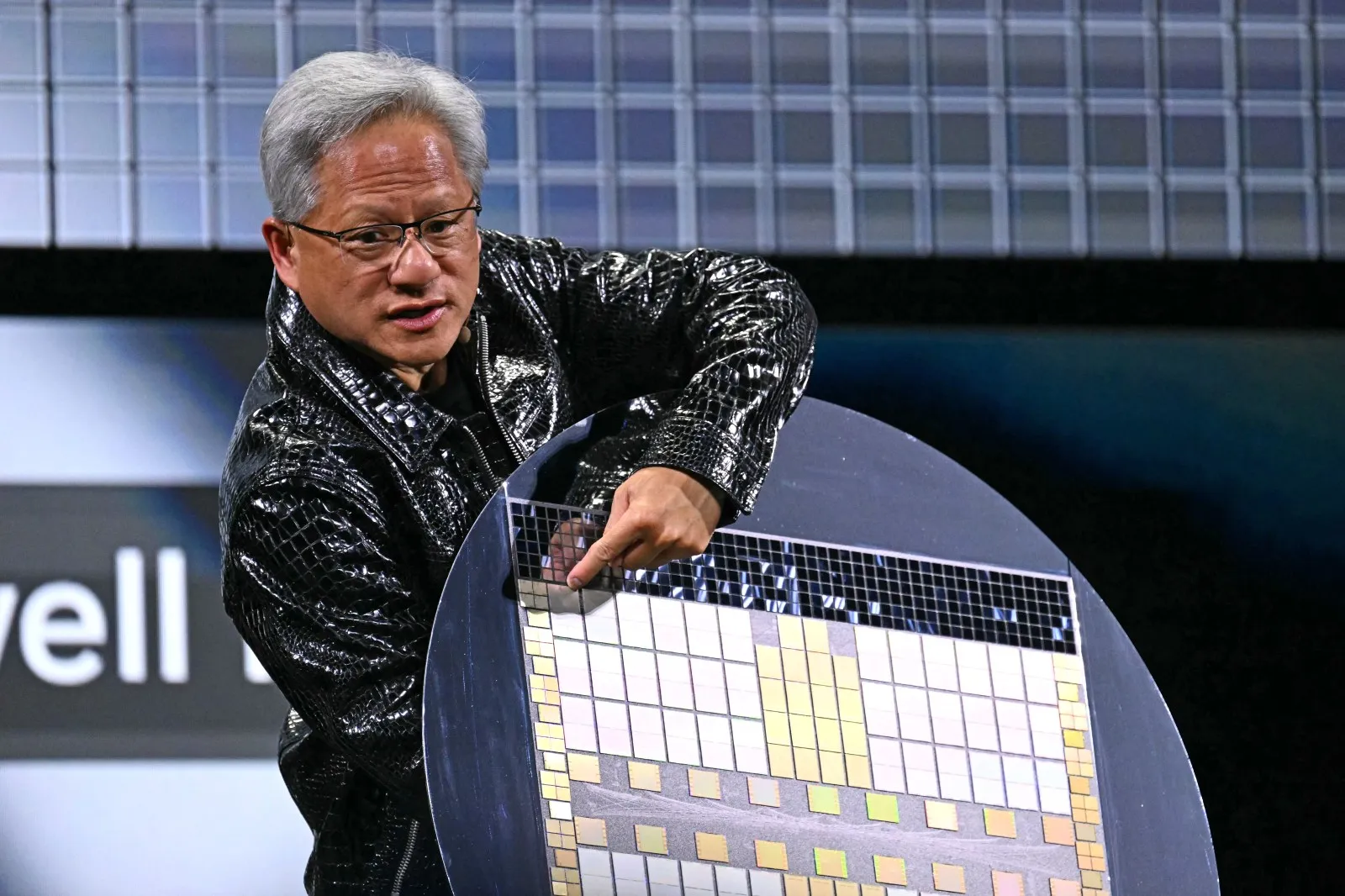
"Nvidia's crisis has corporate governance experts reaching for the popcorn." — TechCrunch, via earlier coverage
"CEO Jensen Huang's job is suddenly on the line at Nvidia." — Ars Technica
For consumers, the practical question is less about one executive and more about whether the AI hardware supply chain can keep shipping on schedule. Two more signals arrived this week: OpenAI's first consumer device — a screenless, donut-shaped voice-first wearable — was reported to be targeting year-end shipments, and Anthropic's IPO was reportedly priced above its range. via via
New Launches
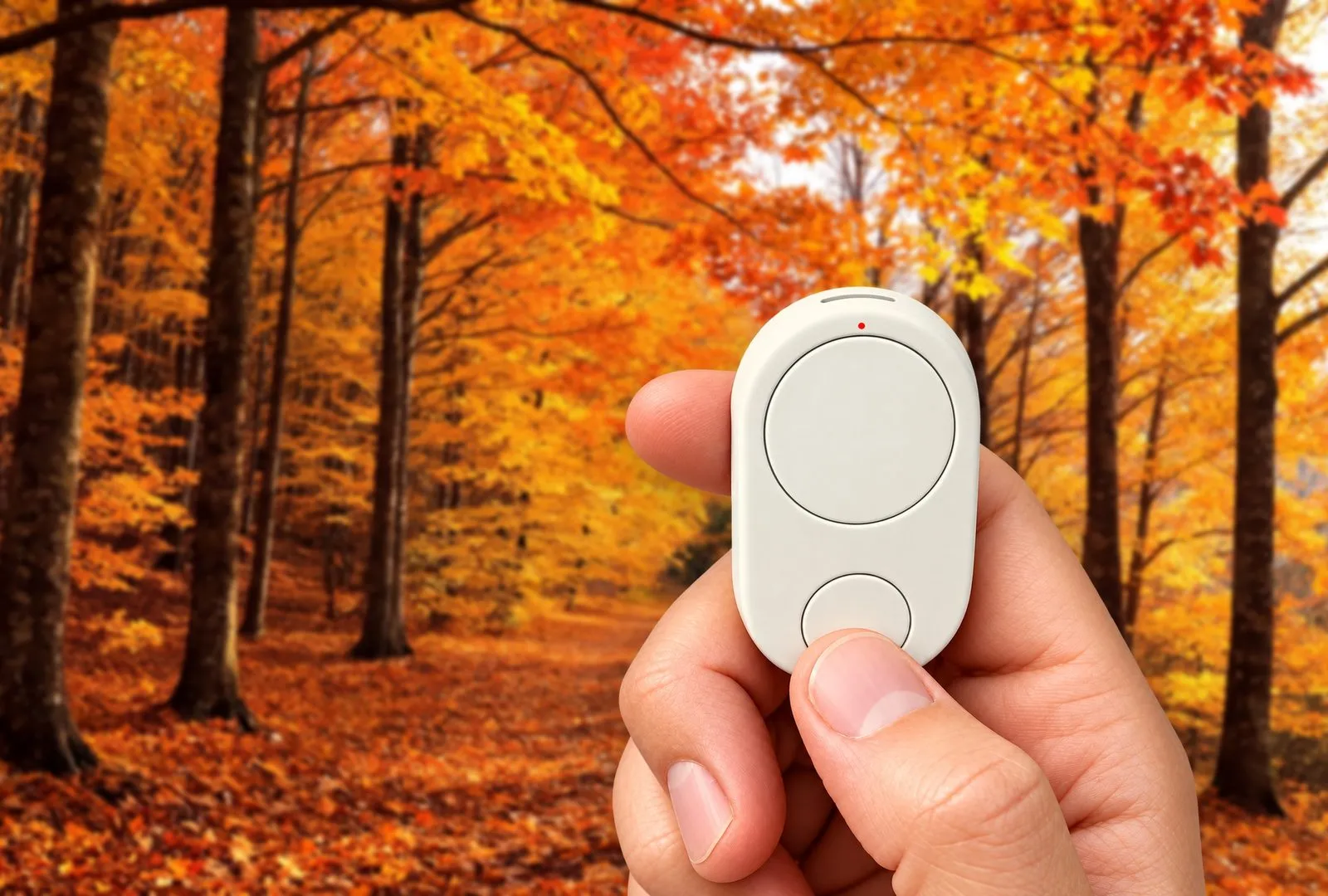
Flic Cue — Stockholm's Shortcut Labs put a microphone in its two-button smart button: hold a button, speak, and the companion app files the thought to a list, reminder, calendar, message or AI agent. The Kickstarter campaign opened November 5 at $59 early bird (retail $89), runs 30 days, and ships to backers in February 2027; it works with ChatGPT via MCP, Claude via Routines, and your own OpenAI/Anthropic/Google API key. via
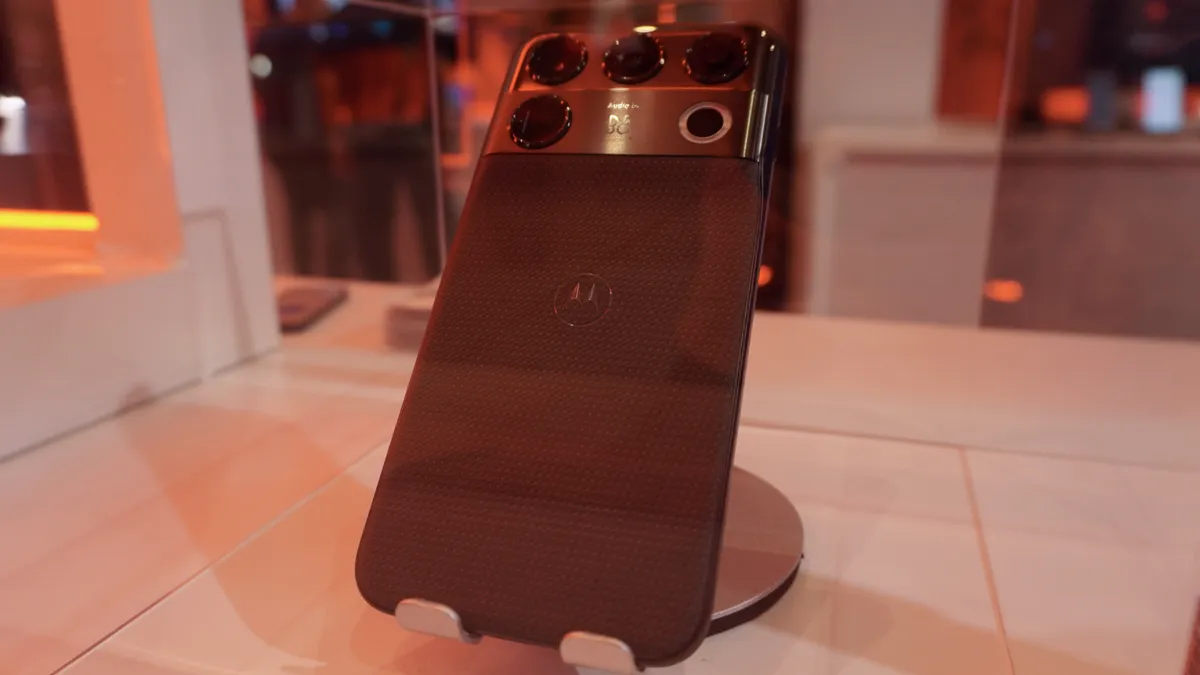
Motorola Signature 27 — Motorola detailed its $1,599 flagship this week with a claimed 12,000-nit display, Snapdragon 8 Elite Extreme Gen 6, and a 7,000mAh silicon-carbon battery; pre-sales opened November 16. It is the definition of a "super-slab" — impressive on paper, eye-watering at checkout. via
Industrial Design
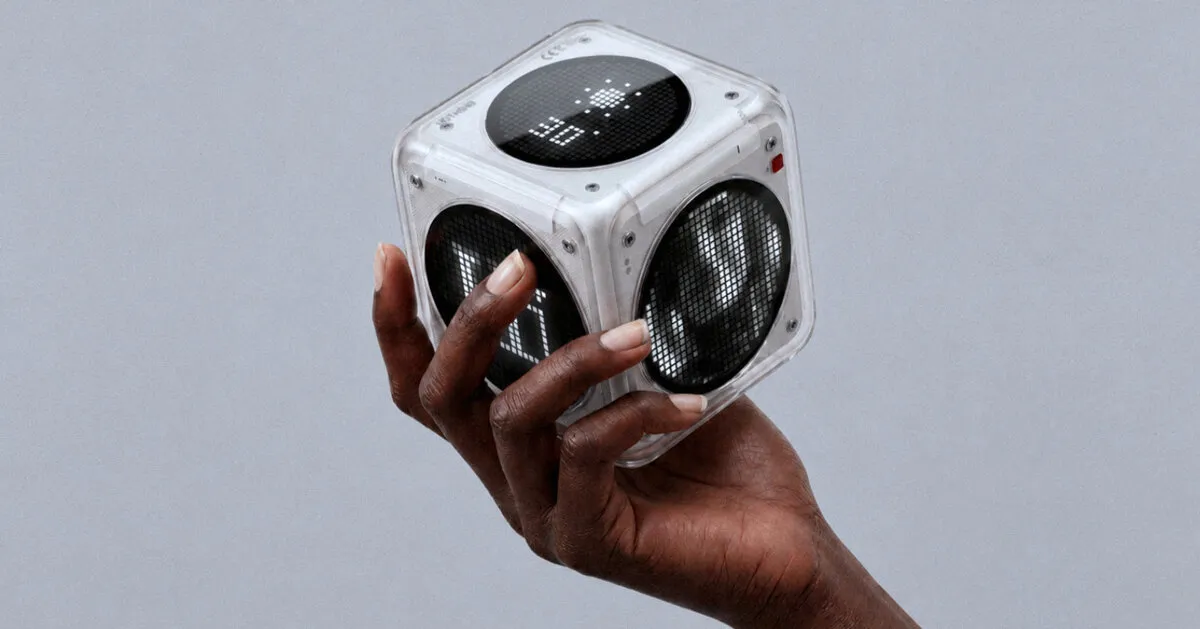
Glyph (1) by Adam Miklosi — A speculative, screenless AI companion for the Nothing aesthetic: a six-sided transparent polycarbonate cube whose faces each carry a programmable LED matrix. Rotate the cube so a face points up and you activate its mode — smart home, audio, timer or voice assistant — with no display in sight. The concept was published on designboom on November 3. via
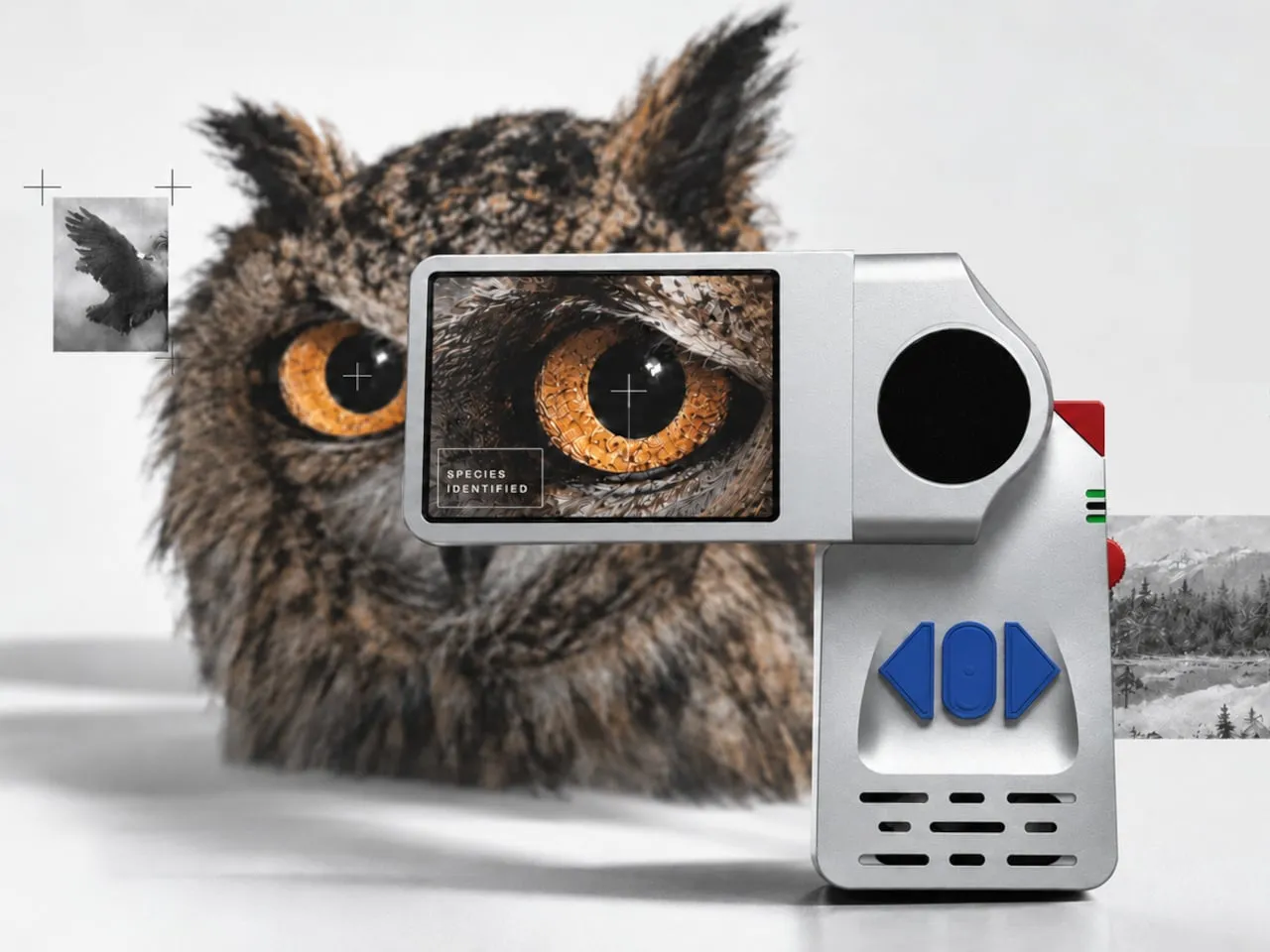
LOG field guide concept — Yanko Design's folding handheld pairs a camera with AI species identification; its screen swings out into a camcorder-style L-shape above a grip with blue directional keys, pairing photos with field notes. via
Deals & Drops
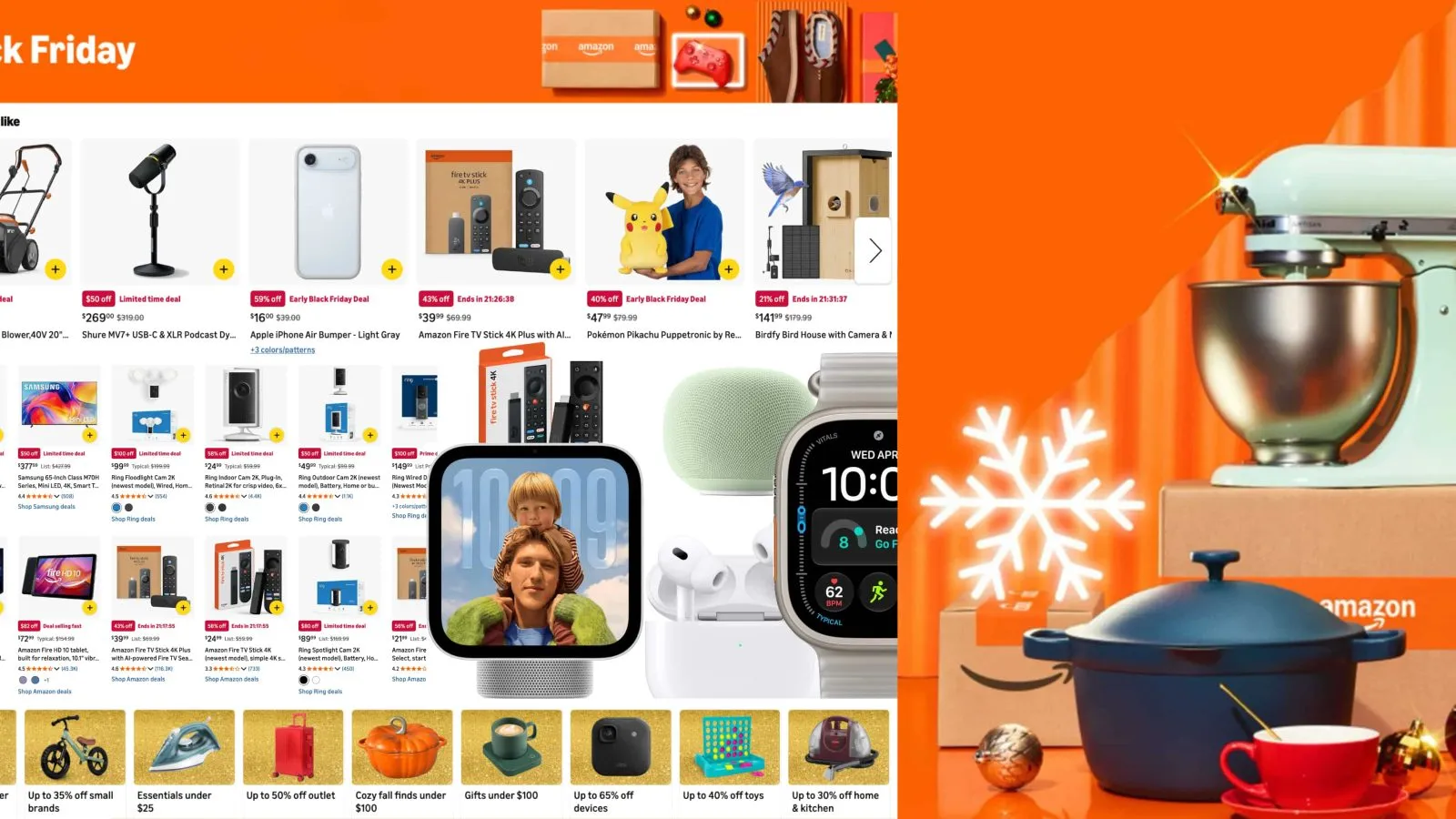
Amazon's Black Friday Week runs November 19–30, with a new 2026 twist: "Today's Big Deals" drop twice on Black Friday and Cyber Monday. Early pricing is already live. via
- AirPods Pro 3 — $179.99 (down from $199; roughly $50 off early pricing). No code required, US. Verdict: solid if you missed the earlier drop. via
- Galaxy Buds 3 Pro — $99.99 (Prime-only, reported all-time low). US, limited to Prime members. Verdict: the best value on this list if you are in the ecosystem. via
- AirPods Max 2 — $100 off, all colorways, US. Verdict: buy only if you have wanted one already; the discount is good, the absolute price is not. via
- MacBook Air M5 — up to $200 off, record-low territory reported; a 256GB model is listed near $649.99 at select retailers. US. Verdict: the pick of the laptop deals. via
- Samsung 65-inch OLED TV — $899.99, US. Verdict: a genuinely strong large-screen price; compare against Neo QLED before committing. via
- Meta Quest 3S — $297.49, US. Verdict: reasonable entry point for VR this holiday. via
- Amazon devices (Kindle, Fire TV, Echo) — up to 45–65% off, US. Verdict: impulse-buy territory, but check price history. via
Absurd & Over-the-Top
Motorola Signature 27 at $1,599 — A phone with a 12,000-nit screen that can reportedly hit 1,599 dollars before a case. We admire the audacity; we would rather buy two excellent mid-rangers. via
Caviar Zodiac iPhone Duo — The luxury customizer's take on Apple's first foldable starts at $14,800, with titanium, gold plating, exotic leather, Swarovski crystals and genuine meteorite fragments. via
Explained
Why Wi-Fi 8 is not about speed. The IEEE 802.11bn work targets roughly 25% better throughput in poor signal, 25% lower 95th-percentile latency and fewer dropped packets during roaming — using multi-AP coordination, dynamic sub-channel operation and enhanced long-range transmission. Chipmaker USI announced a Wi-Fi 8 SiP roadmap on November 3 with products targeted for Q1 2027, aimed at AI laptops, smart glasses, rings and earbuds. via
Silicon-carbon batteries, briefly. Swap graphite for a silicon-carbon composite anode and you get substantially more energy in the same volume; the catch is that silicon swells far more than graphite during charging, so carbon buffering is needed to keep the cell intact. That is why some flagship makers have waited while others ship it today. via
Reviews & Comparisons
The Verge's Best Gadgets of 2026 — Its 25-pick list includes the Roborock Saros 20, Segway Navimow X430, Fairphone 6 Plus, Galaxy Z Fold 8, Oura Ring 5 and the MacBook Neo from $699. via
MacBook Pro (PROLED XDR) consensus — Tom's Guide called the display "the best display we've ever tested" (4.5 stars) and Notebookcheck scored it 92; multiple outlets noted the weight reduction. via
Apps & Tools
Linkly AI Clipper — A Chrome extension that turns the current page into clean, agent-friendly Markdown, previewable and downloadable from a side panel; launched on Product Hunt on November 2. via
beacon.sh — An open-source memory layer for coding agents that drew 396 upvotes on Product Hunt's November 2 slate. via
Signals & Numbers
Smartphones: −20% year on year in Q3 2026, the lowest third quarter in about 14 years, according to Counterpoint figures cited in Chinese financial media, driven by the memory shortage. via
PCs: 62.7 million units shipped in Q3 2026, down 20.1% year on year, per IDC — the normal Q3 peak-season pattern broken. IDC forecasts 2026 PC shipments near 250 million units (−11.3%) with revenue roughly flat. via
Tablets: 32.19 million units in Q3 2026, down 23% year on year and the lowest quarter in three years, per Omdia as cited by Chinese media. The common thread across all three: memory prices, not a collapse in appetite. via
Cover photo: Pexels contributor / Pexels License / Pexels (photo 14309809).