
GearDance Weekly (Issue 4): An AI agent gets your card, and Black Friday goes all-time low
Issue 4 — the week of November 23, 2026. An AI agent gets your Walmart cart and your card, Black Friday week hits all-time lows on Apple hardware, and a $9 cleaning cloth becomes the most argued-about gadget of the season.
Top Story
Meta's Muse can now shop Walmart for you. On Tuesday, November 24 — a day later than planned — Walmart switches on the Agent Gateway it announced last month, with Meta's Muse as the first agent allowed to browse, build a cart and check out on a customer's behalf. You tell Muse what you want, it walks you into Walmart to sign in, and the first time it adds something to the cart you set up an "Agent Profile" inside your Walmart account: a spending limit, per-order approval if you want it, and a purchase history of everything the agent bought. Checkout runs on a card already saved at Walmart, at the same prices you would see on walmart.com, with Walmart's normal return policy still applying. via
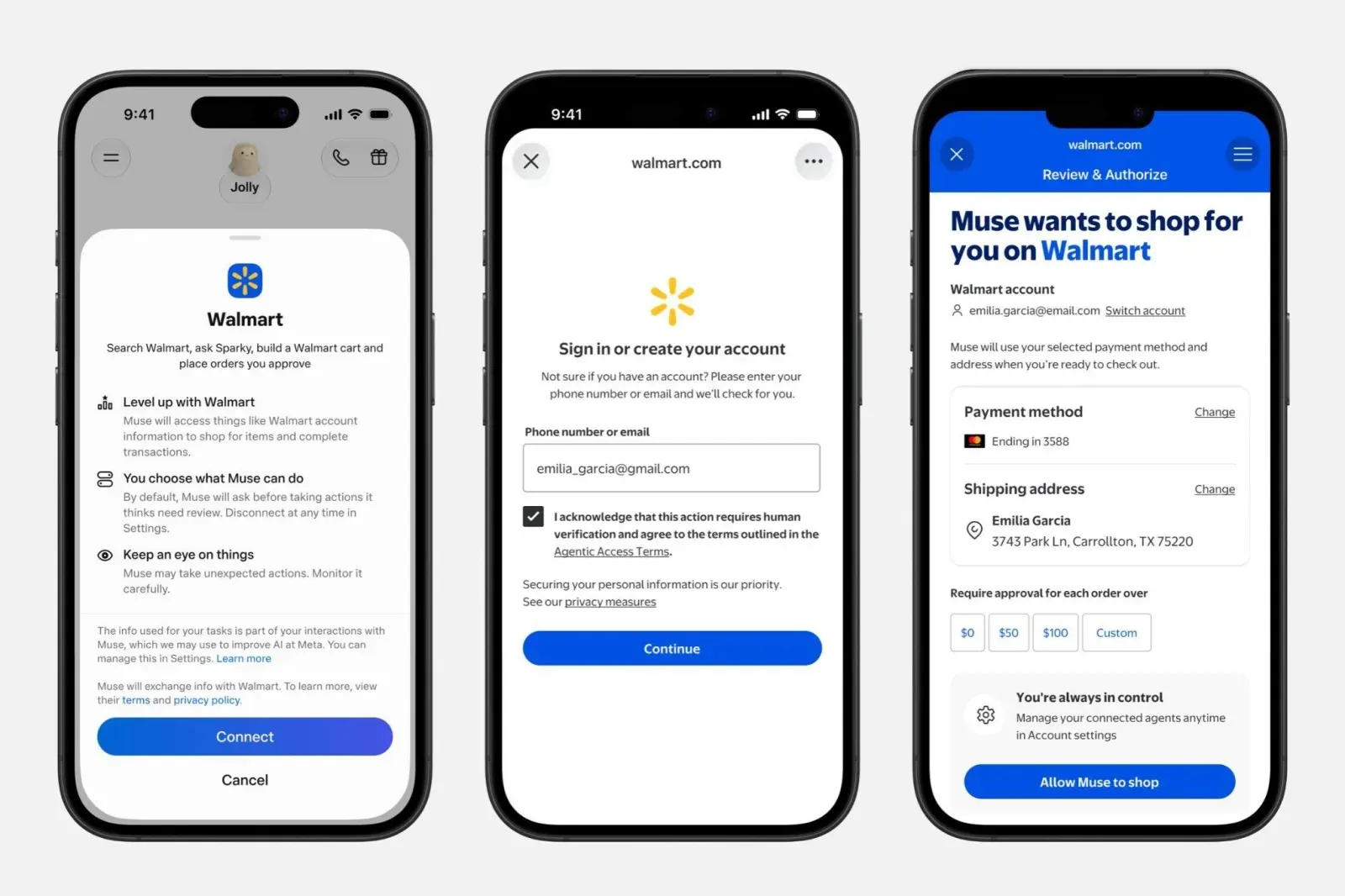
"Walmart will let Meta's Muse shop on its website on your behalf, allowing the AI agent to find and purchase Black Friday deals." — The Verge, November 23
Walmart says the Agent Gateway "helps AI agents find relevant products for you without sharing your purchase history," and that Muse support is "just the beginning" — other agents and apps are "on the way."
The counterweight is that most retailers are doing the opposite. Amazon and eBay have blocked AI agents from browsing their storefronts, and The Verge notes that in employee testing Muse agents "mixed up messages and pulled in unexpected chats from other apps." So the interesting part of this launch is not that an agent can buy a TV. It is that Walmart is betting an approval-and-spending-limit UI is enough to make people trust one with their card — during the single busiest shopping week of the year.
Privacy is moving the other way too. Signal said on Friday that it is limiting screenshots inside its mobile apps by default, a response to what president Meredith Whittaker called the "existential threat" of operating systems that let agentic AI scan what is on your screen: "your sensitive data is being captured, stored, and made accessible to whatever local database or remote server an OS-level AI agent is using at that moment." Users can switch the limit off, which Whittaker says "would break our privacy guarantees." via
New Launches
Honor 700 series — Honor put a second screen on the back of its new China lineup: a square 1.59-inch touch panel that shows the time and notifications, runs AI-customized stickers and animated pets, and doubles as a viewfinder for the rear cameras. The 700 Pro pairs a Snapdragon 8 Gen 5 with a 6.57-inch 1.5K 120Hz AMOLED rated up to 8,000 nits, a 200MP OIS main camera, a 50MP periscope telephoto, a 12MP ultrawide, a 9,000mAh silicon-carbon battery with 80W wired and 50W wireless charging, an in-display fingerprint reader, a rear PPG sensor for heart rate and SpO2, and IP69K — at about 213 grams, running MagicOS 11 on Android 17. The standard 700 drops to a Snapdragon 8s Gen 4 and the 700S to a Snapdragon 7 Gen 4. via
China pricing, after the national trade-in subsidy: 2,899 yuan for the 700S, 3,199 for the 700 and 4,099 for the 700 Pro, with the first sale on November 27 at 10:08. There is also a 899-yuan G200 teleconverter that pushes the periscope to 15x for stage shooting — the back screen doubles as the viewfinder for it. via
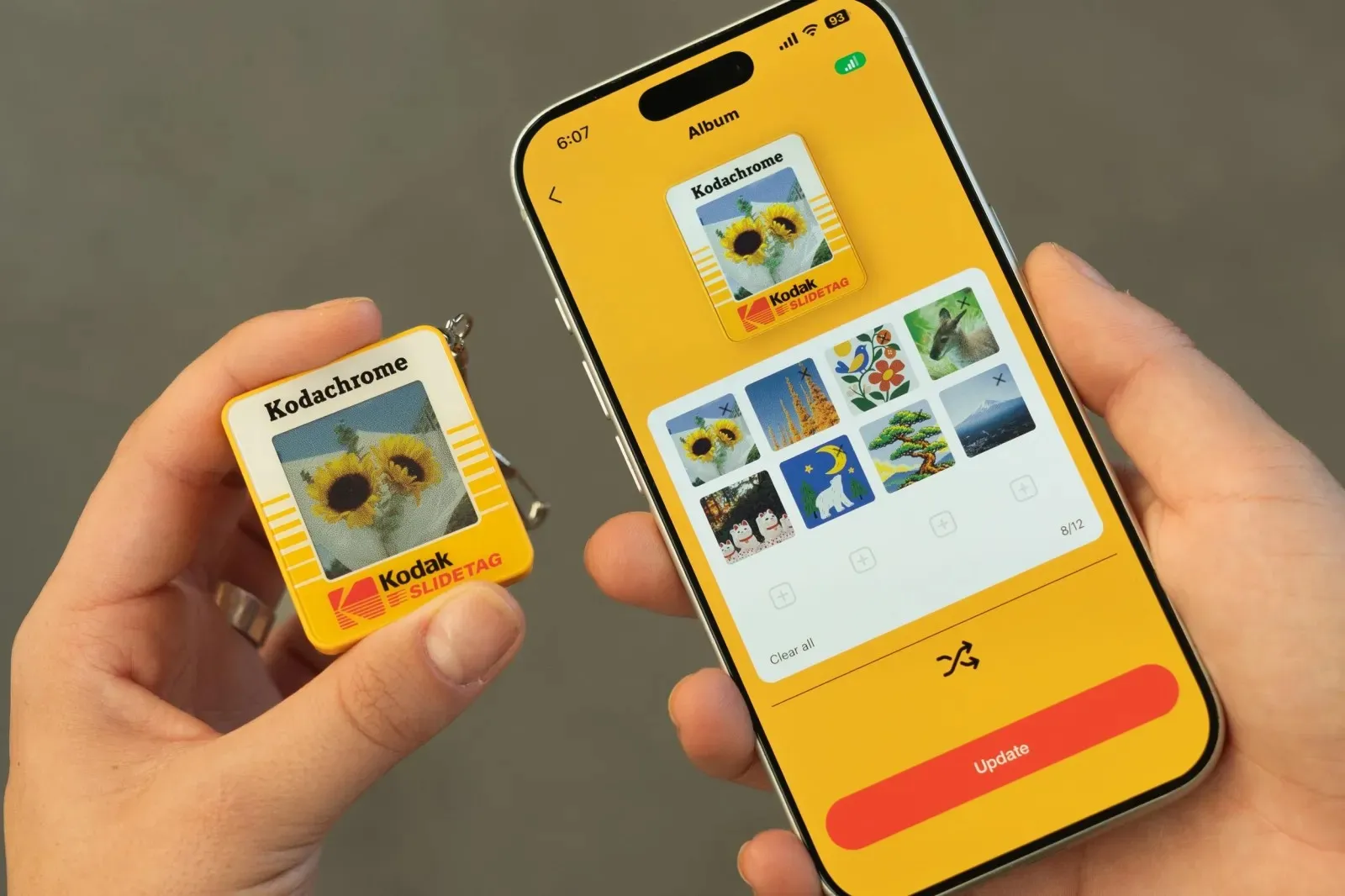
Kodak SlideTag — Reto's follow-up to the Charmera is a $34.99 keychain that looks like a 35mm slide but is really a 1.54-inch color E Ink frame — six inks, 240 x 240 — plus a Bluetooth tracker that works with Apple's Find My or Google's Find Hub. Photos, messages and QR codes come over Bluetooth from your phone. It ships in mystery boxes of eight vintage designs, with a ninth metallic "secret edition" available only at random; the full set is $279.92 if you refuse to gamble. via
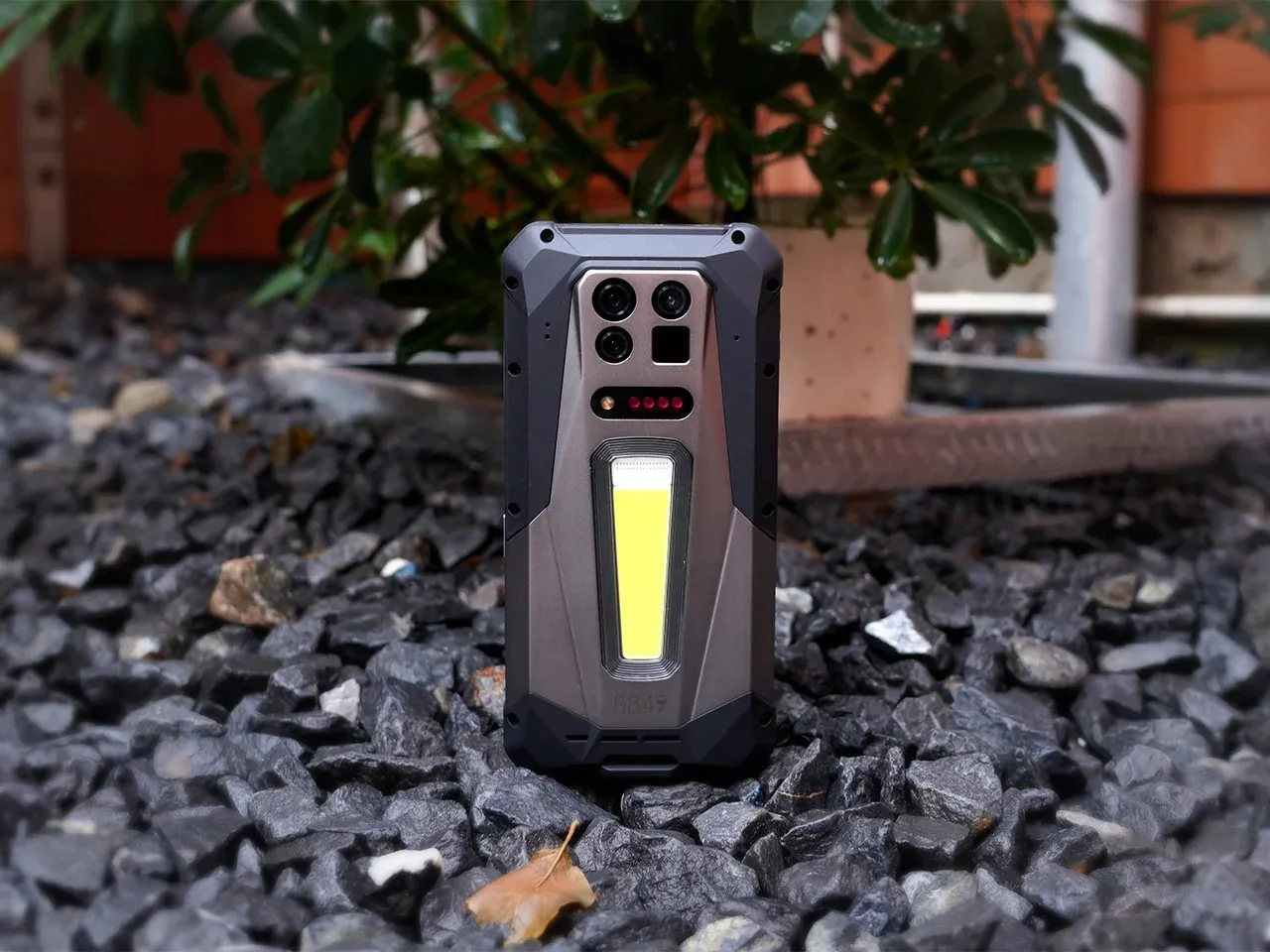
Ulefone Armor 35 Pro — The rugged-phone arms race has produced a handset with a built-in laser rangefinder: a 905nm Class 1 ToF module good to 1.2 km, rated 98% accurate, with a 0.2-second startup and 13 measurement modes including length, area, volume and GPS. It replaces the projector of the Armor 34 Pro, adds a 6.4W, 800-lumen LED with its own hardware key, and carries an 11,000mAh battery. On sale December 7 in Mecha Black for $429.99. via
8849 TANK 5 Pro — A rugged phone built for inspectors rather than campers: a FLIR Lepton 3.1R thermal camera (160 x 120 native, 95-degree horizontal field of view) with spot and area measurements, a 2K projector, and a 6.73-inch 3K AMOLED at 1440 x 3200, backed by 50MP main, 50MP infrared night-vision and 50MP telephoto cameras plus a 32MP front shooter. $1,099 with the coupon shown on the launch page, down from $1,149, through December 23. via
Industrial Design
Fits by Daniel Winter — A shoe that grows instead of being thrown away. Winter's mono-material design is printed in a single 75A flexible filament and relies on "integral articulation": interlocking perimeter segments flex and roll outward under pressure, widening the gaps to add volume while the structure stays one continuous piece. The refined children's version covers five full sizes and has completed wear testing; an adult sole prototype adapts across a three-size range. Because it is one recyclable material, the end of life is a reprint, not a bin. via

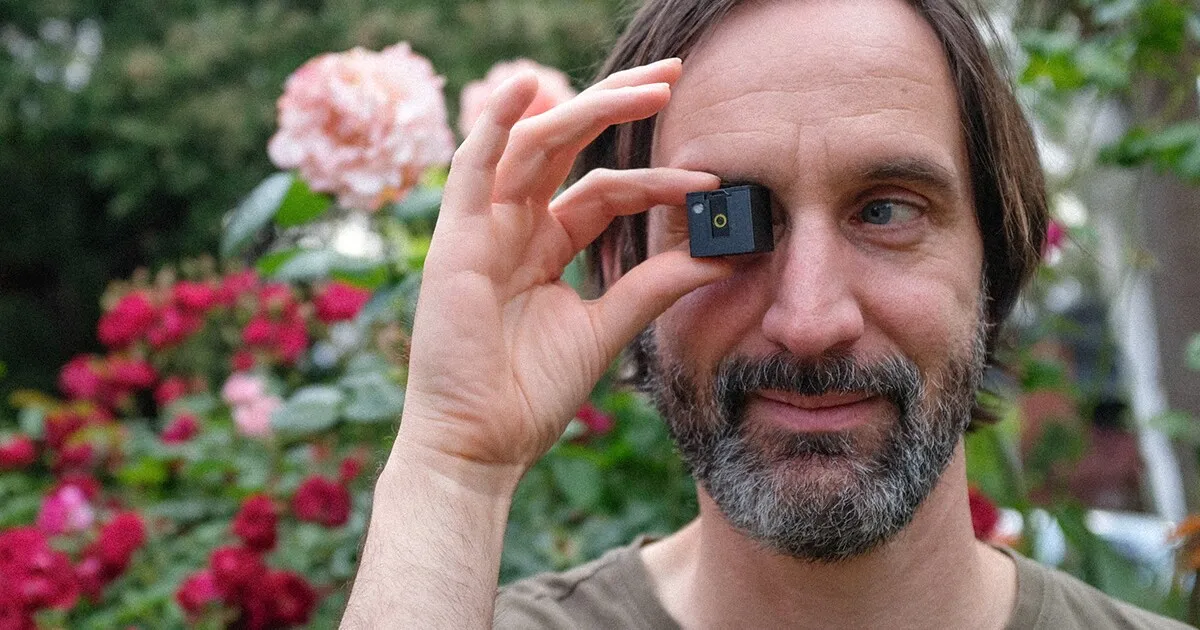
Pocket Obscura by Luke Fazelas — A quarter-sized 3D-printed cube that is, as far as anyone can tell, the smallest film camera ever made. There is no glass: the aperture is a pinhole, the shutter is worked by hand, and the negative comes out on photographic paper at a size that makes developing a ritual rather than a chore. You can order one; finding film for it is your problem. via
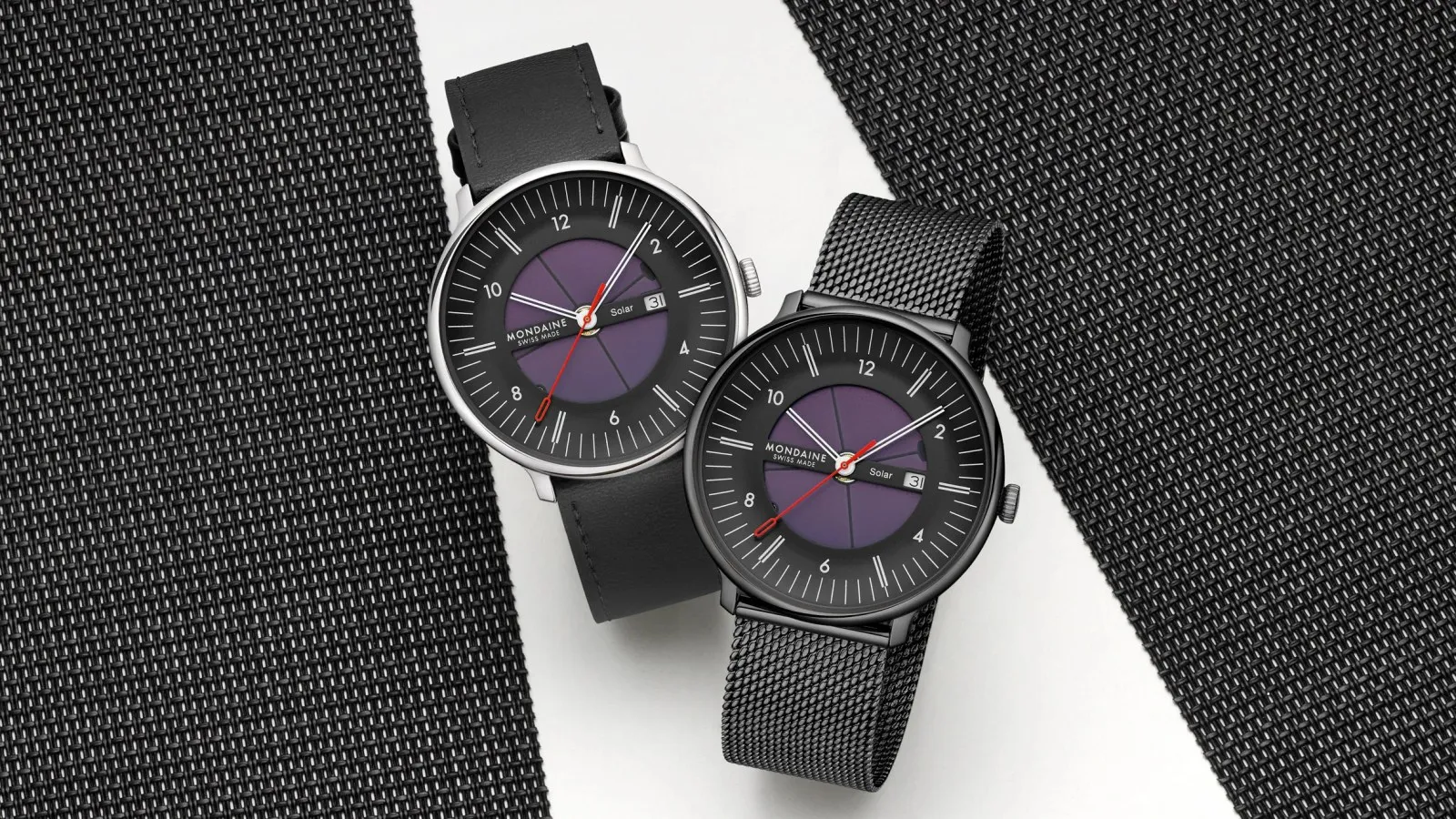
Mondaine Doppio Solar Skeleton — Most solar watches hide the panel under the dial. Mondaine cut a precise circular opening so the solar plates become the design feature, framed by the Doppio collection's double-line hands and indexes, concave dial and double-domed sapphire crystal. Two versions: polished silver 316L steel with a vegan grape-leather strap, or a black steel case on a matching mesh bracelet. No battery swaps, and no pretending the technology isn't there. via
Teknion Quick Shift — A standing desk that adjusts without a power cord: press the lever on either side of the top, which works if the desk is against a wall, and pneumatic cylinders carry it between 26 and 44 inches. The 46 x 23-inch laminate top sits on two telescoping legs with low horizontal feet, and the mechanism stays hidden. Square or rounded corners, the latter for desks parked in a traffic aisle. via
Deals & Drops
Black Friday week is in full swing: Amazon's sale runs through Cyber Monday with new "Today's Big Deals" drops, and Best Buy is already on week four. The pattern this year is aggressive Apple pricing barely two weeks after launch, and phones finally falling back to sane numbers.
- AirPods Pro 3 — $149 (regular $249, 40% off). No code, US, Amazon. 9to5Toys calls it the lowest price it has ever tracked. Verdict: real drop, buy if you were already shopping. via
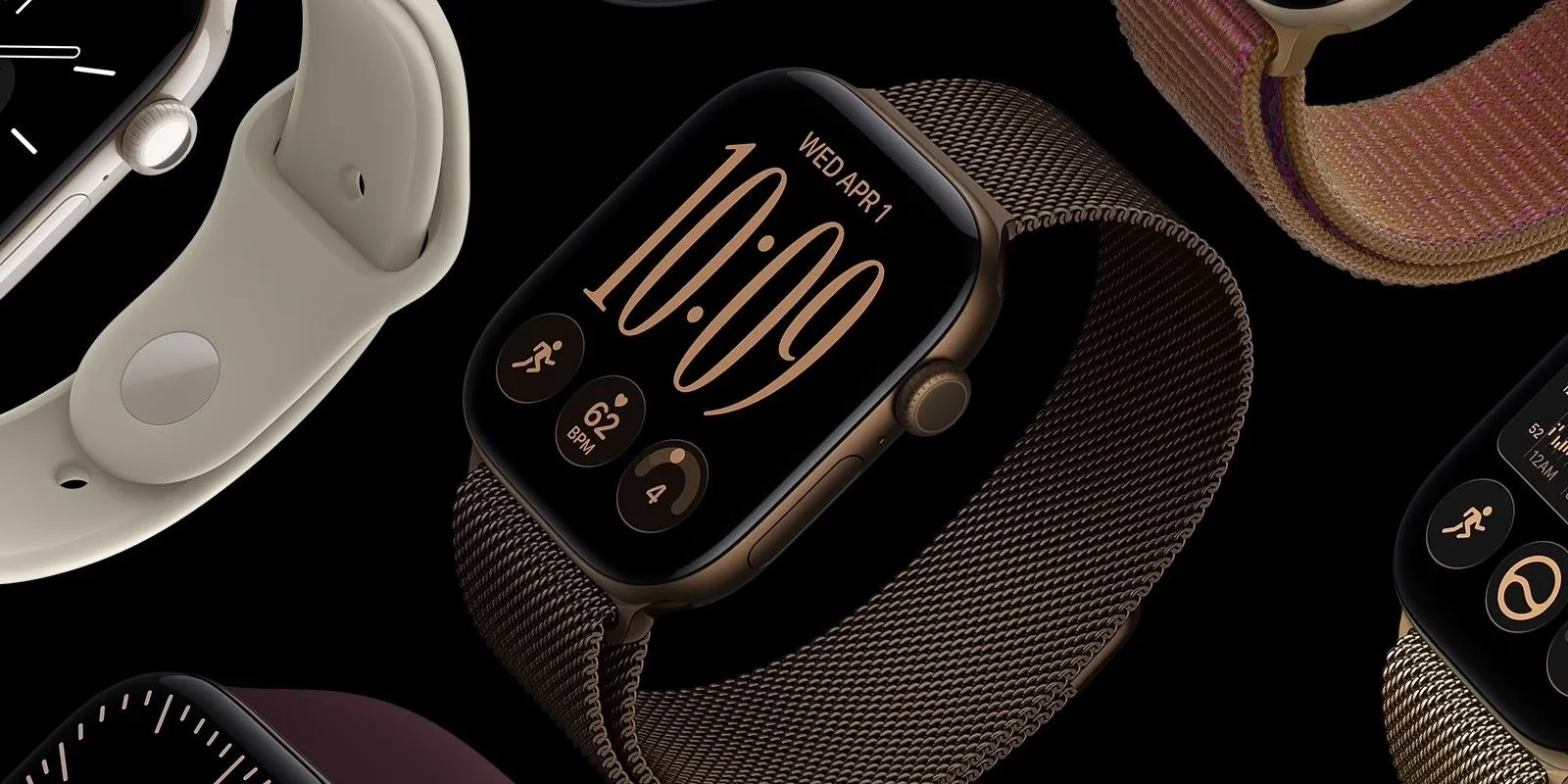
- Apple Watch Series 12 42mm with Milanese Loop — $299 (regular $449, 33% off). No code, US, Amazon. Rest of the line hits all-time lows at $100 off: 42mm $299 (reg $399), 46mm $349 (reg $449), cellular $399/$449 (reg $499/$549). Verdict: the bronze Milanese is the same price as a Sport Band model — take it. via
- M5 MacBook Air 13-inch, 16GB/512GB — $989 (regular $1,299, $310 off). No code, US, Amazon; the 15-inch 16GB/512GB is $1,197 (reg $1,499). Verdict: the best laptop deal of the week at this spec. via
- M6 MacBook Pro 14-inch, 16GB/1TB — $1,799 (regular $1,999, $200 off). No code, US, Amazon; 24GB/1TB $2,049 (reg $2,199), 32GB/1TB $2,249 (reg $2,399). Verdict: a genuine all-time low on a two-week-old machine. via
- Google Pixel 11 Pro 12GB/256GB — $750 ($350 off, about 32%), plus up to $300 extra trade-in at Amazon US; the 11 Pro XL 12GB/256GB is $900 ($400 off, up to $325 trade-in). Verdict: real drop, and the trade-in stack is where the value is. via
- Samsung Galaxy S26 FE 8GB/128GB — $500 ($200 off, about 29%), 8GB/256GB $600, Amazon US. Verdict: finally the right price — it beats the $500 Galaxy A57 on battery, performance and update window. via
- Nintendo Switch 2 + Mario Kart World bundle — $499.99 (previously $549.99, 9% off). Includes the console, a digital copy of the game and three months of Switch Online; the Sports Resort bundle stays at $529.99. Verdict: this only rolls back September's price rise, but it is the cheapest way in before Cyber Monday. via
- Apple Watch SE 3 40mm — $179 (regular $249 and up, about 28% off). No code, US, Amazon; 9to5Toys reports a new all-time low across the lineup. Verdict: still the sane entry point if you do not need always-on. via
Absurd & Over-the-Top
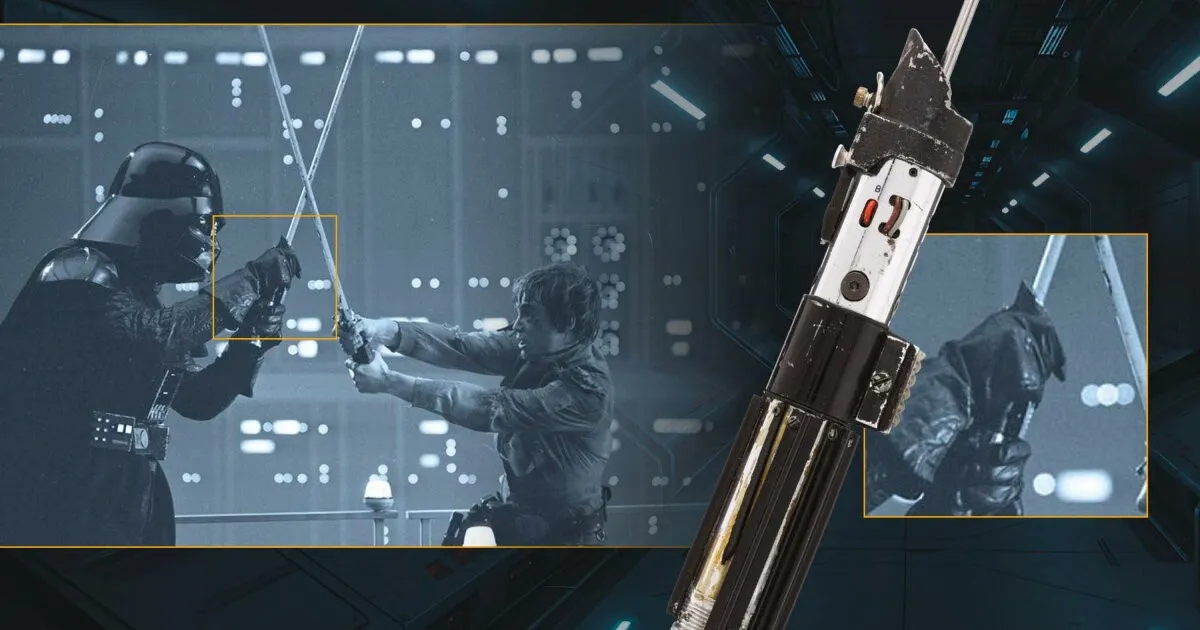
Darth Vader's lightsaber — $4.875 million. The 1980s prop sold at Heritage Auctions for a franchise record, which is a lot of money for a handle that will not actually cut through a blast door. Buyers at this level are collecting the object, not the function — and the wall mount costs extra. via
1978 Yamaha OW31 — estimated £220,000 to £300,000, and nobody bid. A factory-works 748cc two-stroke inline-four with 158 hp, a 186 mph top speed and magnesium and titanium everywhere, carrying an auction estimate of roughly $300,000 to $400,000. Racing heritage is not a buyer. The lesson for anyone with a "rare" collectible: an estimate is a wish, not a price. via
Forty-plus RTX 5090s at over $6,600 each — on Facebook Marketplace. A Canadian scalper listed more than 40 cards at over $6,600 apiece and reportedly moved them quickly, which is somehow still cheaper than the CAD 10,000 retail listing at Memory Express. This is what a memory crunch looks like when it reaches the second-hand market: the scalper is no longer the villain, the shop is. via
Apple Polishing Cloth (2026, model MLH74AM/A) — $9. Still just a cloth, now cheaper than the $19 original, and still the most argued-about accessory in tech: 3,000-plus bought in the past month, 4.6 stars from 73 ratings, Amazon's Choice, and a review section split between "best polishing cloth ever made" and "this isn't expensive… except it's just a cleaning cloth." ASIN B0HGGFWX2D, sold by Amazon, in stock for now. via
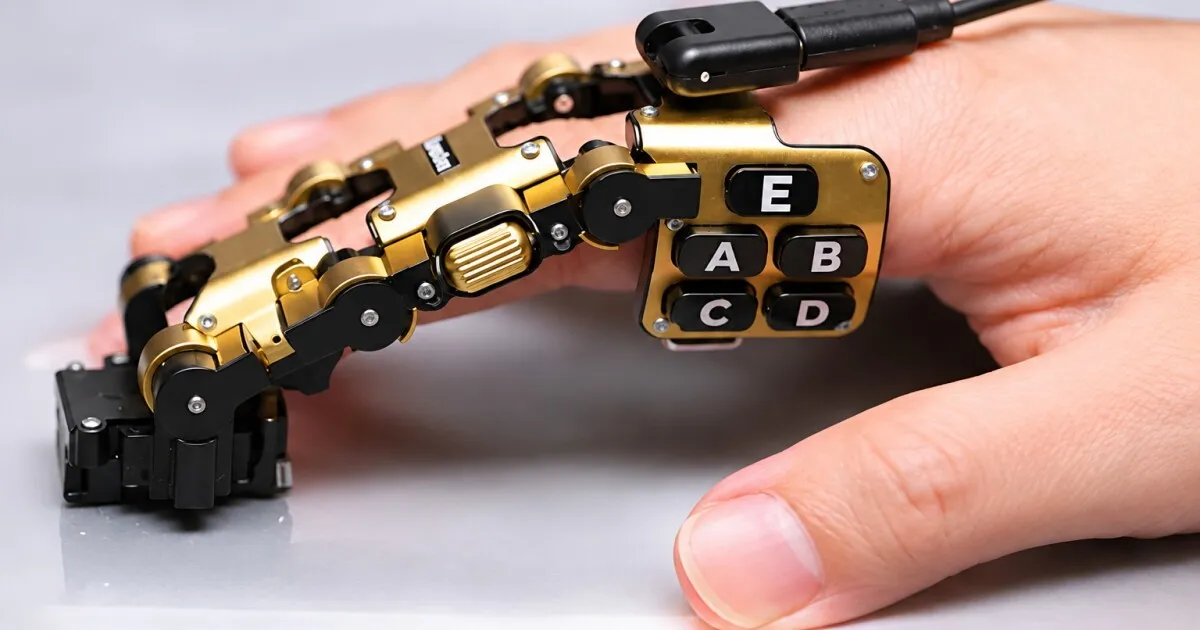
Borslon finger mouse — $43,000 raised, eight times its goal. A 36-gram aluminium articulated shell that you wear on your right index finger, with five thumb-operated buttons (one of which must be left-click), a thumb scroll wheel, a hard-wired cable routed over the back of your hand, and 26,000 DPI / 8,000 Hz specs that will not help if your thumb cannot reach the macro in time. Backers are paying for the idea of the object; Tom's Hardware notes AI-rendered images and timeline mismatches in the campaign. via
Explained
Why light is suddenly interesting again. Optical computing has been a research curiosity for 70 years, but the market value of companies in the sector has gone from about $0.4 billion in 2022 to $2.22 billion now. The driver is AI inference: passing data between chips and memory costs energy, and data-center power budgets are the binding constraint. Photonic systems do the multiply-accumulate with light instead of electrons, which is why the pitch is efficiency rather than raw clock speed. via
A 20-cent GPU. [bitluni]'s USB-to-analog-video converter uses exactly one active component — a CH570 microcontroller — plus passives, and both connectors are made of the PCB itself: copper-plated cutouts form the RCA plug, and the USB-C edge is board copper. It renders graphics at a standard nobody would call modern, which is the point: a GPU is a chip that makes pictures, and the rest is marketing. via
A pulse patch with no electronics. OptoPatch, from researchers at NTNU, is a thin silicone patch that changes color as your arteries push blood through it — no battery, no wires, no sensors. Read it with an ordinary smartphone camera and you get a pulse waveform, which means the expensive part of remote monitoring could disappear from the device and move into the phone you already own. via
Reviews & Comparisons
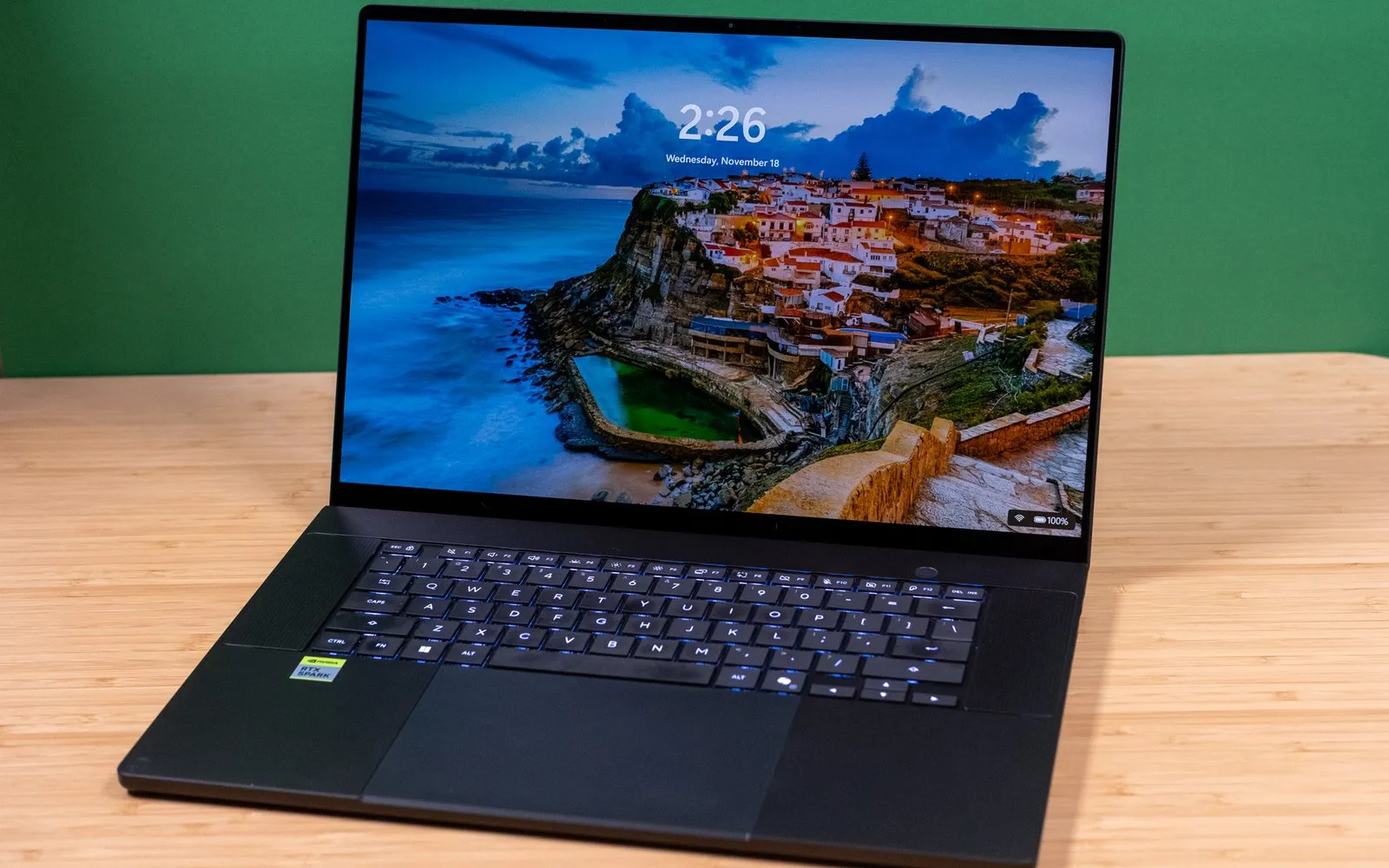
Asus ProArt P16 — the local-AI laptop, at a local-AI price. Ars Technica's review makes the case that Nvidia's RTX Spark is the first laptop AI pitch that means something: the N1X pairs a 5,120-core GPU with an 18-core CPU and up to 128GB of memory, so the machine can run a small army of local agents without a cloud bill. As reviewed it has a 16-inch 4K 120Hz touch OLED rated 1,600 nits, and the top configuration runs about $7,000. Verdict from Ars: the future is visible, but local AI still needs a lot of trial and error. via
Can a TV be too large? Yes, for about four days. TechCrunch's Lucas Ropek upgraded from a 55-inch TCL to a 65-inch LG evo C4, watched from nine feet — well inside the recommended range — and spent the first days nauseated. Motion smoothing was off, brightness was halved, nothing helped; then his eyes adjusted and the nausea disappeared. His theory: with a screen that big your eyes have to trace across the image, which feels like staring out of a moving car. via
DAC/amp combo or a stack? Often neither. Engadget's answer starts with a number most people never check: MacBooks from 2021 onward drive headphones rated 150 to 1,000 ohms and can output up to 3 volts RMS from the headphone jack. If your laptop already plays clean and loud enough, the money is better spent on the headphones; a combo unit wins on desk space, a stack wins on upgradeability — and both are useless if the source is a compressed stream on a noisy bus-powered port. via
Apps & Tools
Vorssaint — A free, open-source menu-bar utility suite for macOS that bundles the things Apple leaves out: better window tiling, per-app volume and output-device control, and quick toggles. The catch is the usual one with system-level tools — it needs permissions, and you should read every permission prompt before granting it. via
PlainApp — Open-source, free, Android 9 and newer, and there is nothing to install on the PC: the app serves your phone's files, photos, videos, music and contacts to any browser on the same Wi-Fi network, with no account. Your browser will complain about the self-signed TLS certificate the first time; click through, log in, approve on the phone. via
Agents you text instead of install — The quiet shift in AI apps: instead of another icon on your home screen, the agent is a contact. TechCrunch's roundup covers general assistants plus vertical ones — Ask Proxy, which pitches itself as anticipating needs before you ask, alongside travel, family and work agents. Instinct alone is valued at $10 billion after a $1 billion raise, which tells you where the money thinks the interface is going. via
Signals & Numbers
People keep phones longer than the upgrade cycle assumes. A GSMArena poll of readers lands on a one-line summary: entry-level phones get replaced every three years, higher-end phones every four. Among flagship owners, 1,242 voters — 23% of that group, the largest single block in the poll — plan to keep their current phone at least six years. via
Samsung may skip a Galaxy Watch generation. A South Korean report says Samsung is considering a two-year launch cycle for Galaxy Watch, having shipped annually since 2018, after its MX division reportedly posted losses for the past two quarters. For buyers it means the Watch you buy this year stays current longer — and that the wearable refresh treadmill is losing its motor. via
13,500mAh in a mid-ranger. The same tipster who reported Honor's 14,000 to 15,000mAh cell entering trial production now says an X-series phone with roughly 13,500mAh and a 6.96- or 7-inch screen arrives before Chinese New Year on February 6 — while the just-announced Honor 700 ships 9,000mAh. Two-hour charging sessions are quietly becoming a premium feature. via
Bending Spoons buys Mailchimp for $3.68 billion. The deal is 90% cash and 10% stock — Intuit is taking $368 million in newly issued Bending Spoons shares as part of the package. Add AOL, Eventbrite, Airtable and Miro from the past year, and the pattern is clear: a holding company buying mature web brands and running them on centralized engineering and billing. via
Honor's 700 pre-orders ran 300% above last year in the first 30 minutes. The company's own launch-day numbers say full pre-orders in the first half hour beat the previous generation's entire first day — before the November 27 first sale, and on a lineup starting at 2,899 yuan after subsidy. Aggressive pricing with a bigger battery is the playbook the rest of the market now has to answer. via
Meta rethinks 2030 net-zero as AI emissions climb. Meta's 2026 sustainability report says it is "re-evaluating" the 2030 goal while reporting a record percentage increase in greenhouse gas emissions — a bigger jump than any other Big Tech company building AI data centers, including the $10 billion El Paso site. "Our long-term ambitions haven't changed, but our operating environment has." via
Cover photo: Shixart1985 / CC BY 2.0 / Wikimedia Commons.