GearDance Weekly (Issue 5): A new browser engine, Jensen's return, and Black Friday prices
Issue 5 — the week of November 24, 2026. A browser engine you have never heard of becomes the first new one in years, Jensen Huang walks back into Nvidia after eleven days, and Black Friday week puts a MacBook at $599 and a whole-home battery at $3,609.
Top Story
The web gets a new engine. The Verge reported on Monday that Ladybird — an independent browser engine that is not a fork of WebKit, Blink or Gecko — has entered alpha and can now be tested on macOS and Linux. For anyone who assumed the browser-engine wars ended with Chromium's victory, this is the first genuine new entrant in years. The project's own announcement is live at ladybird.org, and the alpha was also the top link on Hacker News on Monday. via
"Ladybird isn't a fork of WebKit or Gecko." — The Verge
"Ladybird is now in alpha" — the project's post, as surfaced on Hacker News, 23 November 2026. via
The interesting part is not that a new browser exists; it is that an independent engine is still being written at all. Most of what consumers call "a browser" in 2026 is Chromium with a different coat of paint. Ladybird is a bet that the web's rendering layer should not be a single point of failure.
And the man who runs the chips behind that web is back. Nvidia's board voted to reinstate Jensen Huang as CEO and board chairman, effective immediately, just eleven days after he resigned. The board said its decision was based in part on "input from senior levels of the United States government" and that his return "poses no national security risk." via
"I hope the Board of Nvidia rehires Jensen Huang. It would be the best thing for the Company, and also, for the U.S.A." — Donald Trump, on Truth Social, quoted by Ars Technica.
Huang had said he would be "honored to answer these calls." CNBC reported that Nvidia's stock rose 31% on the news. via

New Launches
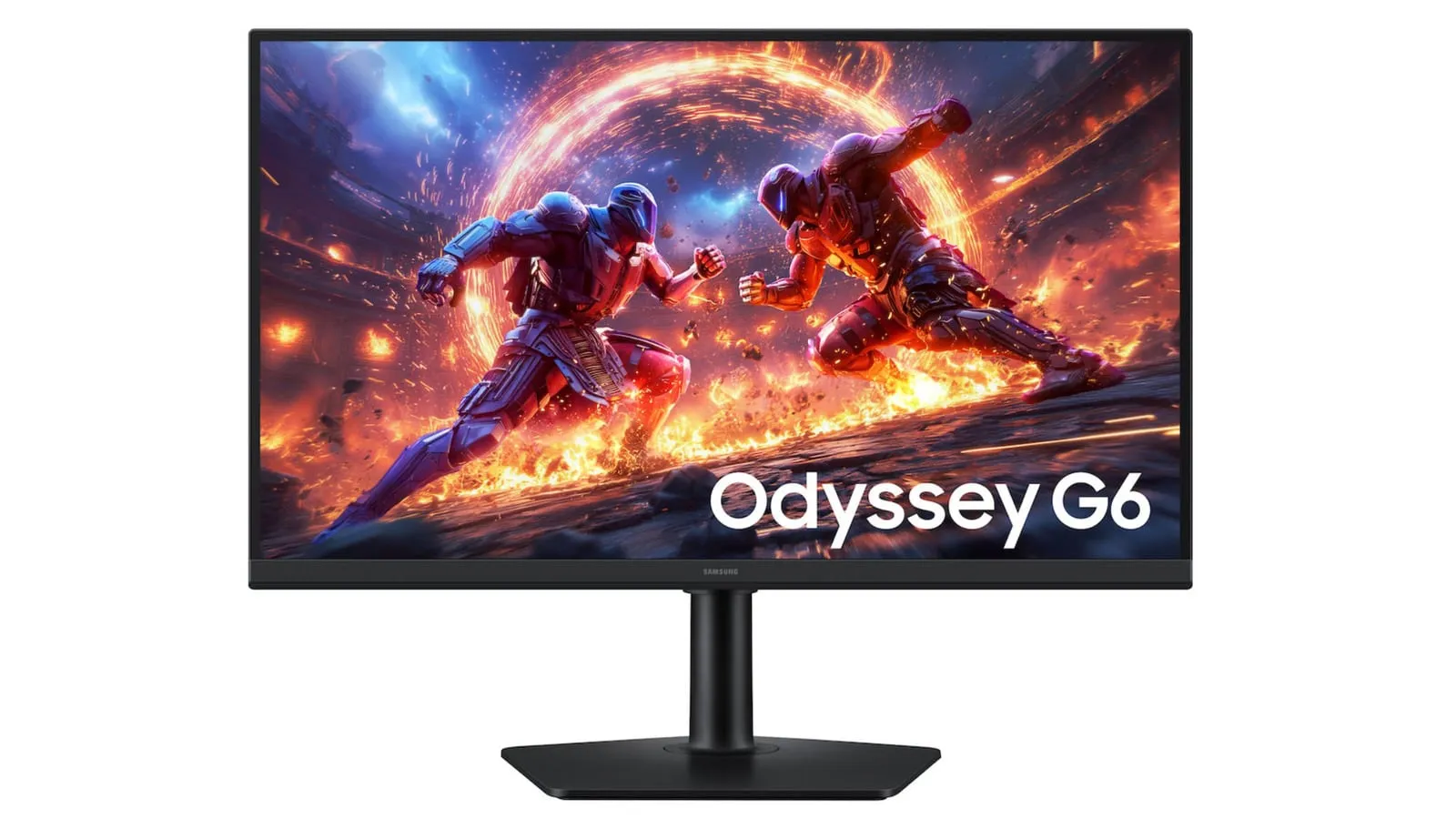
Samsung Odyssey G6 G60H — Samsung calls it the world's first 1,100Hz gaming monitor. The 27-inch dual-mode IPS panel runs at either QHD (2,560 × 1,440) or HD (1,280 × 720), with 400 nits typical brightness, HDR10+ certification, 1ms grey-to-grey response and both FreeSync Premium and G-Sync support. The catch: the 1,100Hz figure only applies in HD mode. In QHD it tops out at 600Hz — still faster than almost anything else on sale. via
Motorola Edge 70 Neo — Essentially official a day early after Motorola listed the full spec sheet on its Indian site. It has a 6.8-inch 1,272 × 2,772 AMOLED at 144Hz and a claimed 5,200 nits, a Snapdragon 7s Gen 3, 8GB/128GB with microSD, a 7,000mAh battery with a 45W charger in the box, a 50MP Sony Lytia 710 main camera with OIS, IP64 and MIL-STD-810H, all at 204g. It ships with Android 16 — months after Android 17 arrived — with three OS upgrades and five years of security patches promised. via

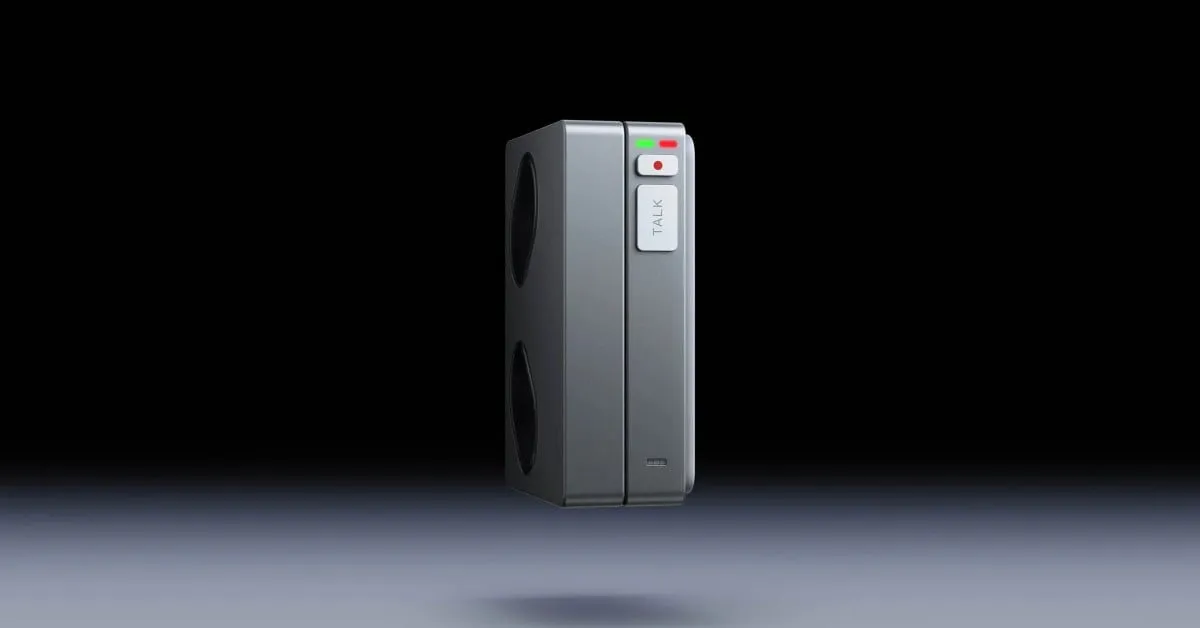
Nothing Ear (note) — Nothing confirmed the name of its mysterious AI product: a pair of earbuds whose charging case doubles as an AI recorder. A Talk button handles your own voice, a separate record button transcribes in-person conversations, and the earbuds can capture phone calls too. It launches on 8 December; pricing is still unknown, and CEO Carl Pei's comments hint at a subscription. via
Industrial Design
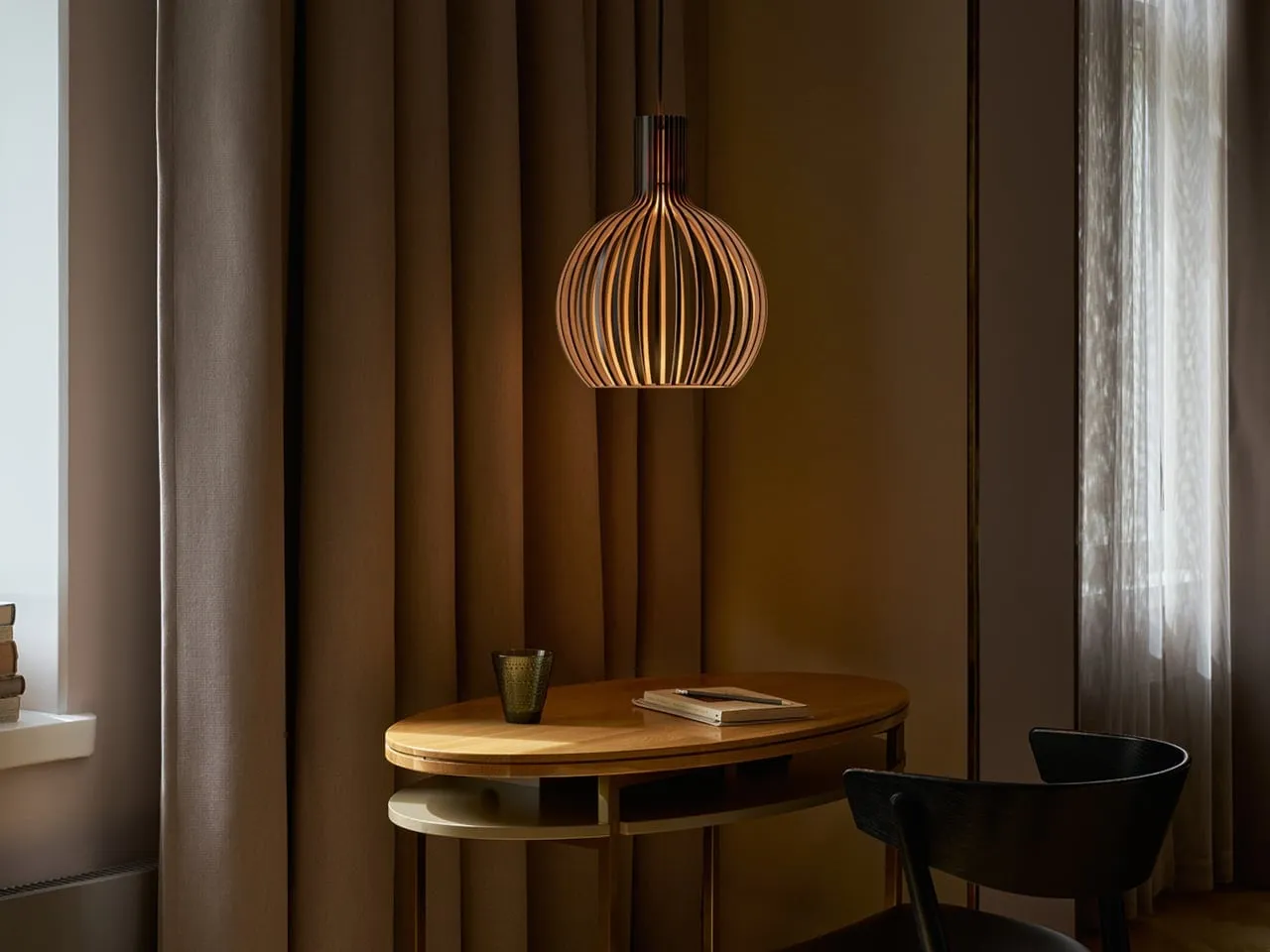
Octo Tre 4242 by Secto Design — The smallest pendant in the Octo family is 12.2 inches across and 15.4 inches tall, hand-assembled in Heinola, Finland from thin birch slats that flare outward and curl back at the base. Its 12-inch G9 LED (7W maximum) is small enough to hide inside the open shade. The gaps between the slats are the point: hang it in front of a window and daylight still comes through. via
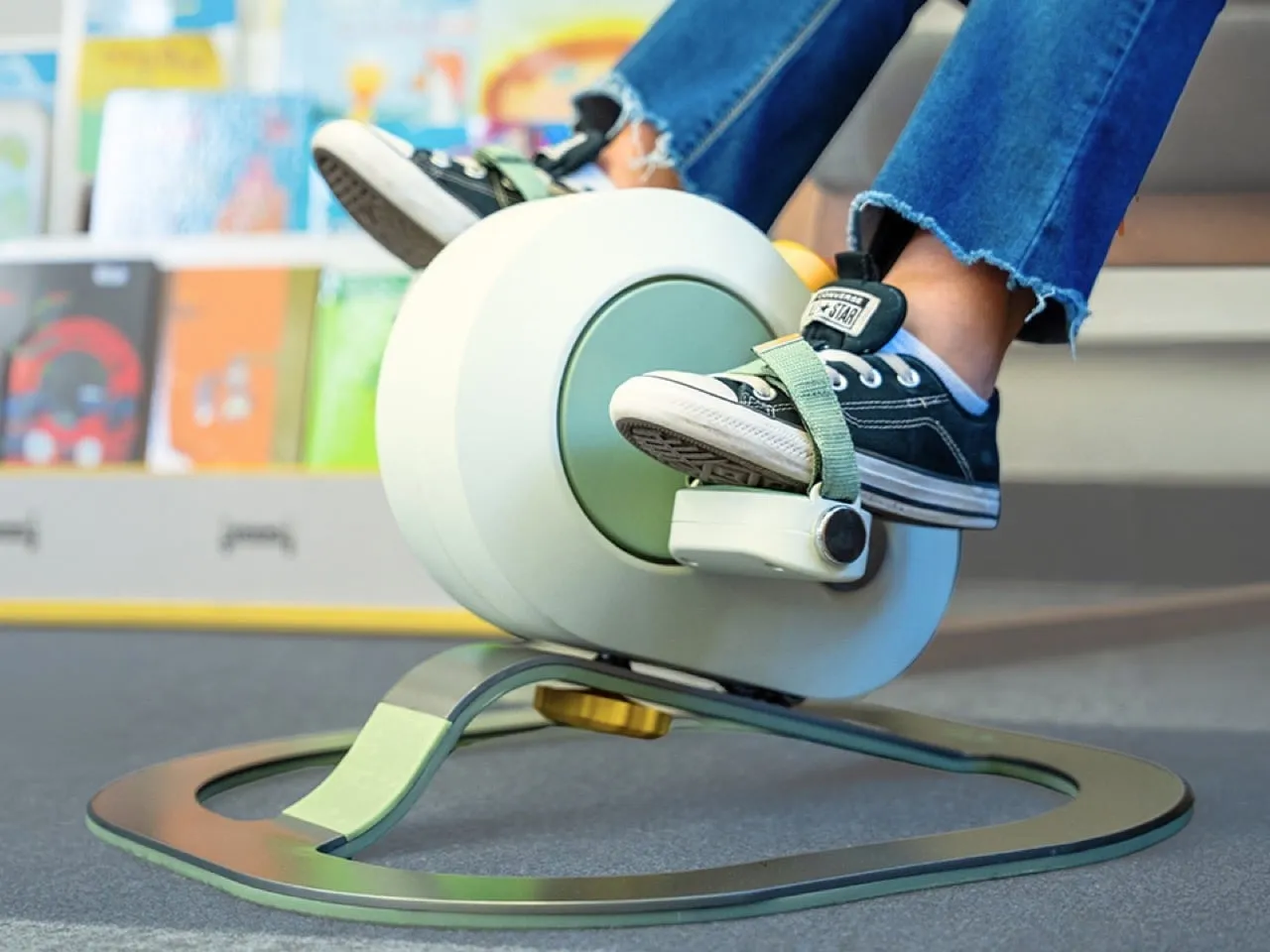
Tovie pedal-to-play bike — Arnav Dalmia and Shivani Jain, the founders behind the Cubii under-desk elliptical, built a floor bike that makes a child's legs the remote control. Pedalling drives games and parent-approved YouTube videos over Bluetooth; stop pedalling and the video freezes. It measures 16 × 16 × 9.5 inches, weighs 24 pounds, has no seat, and offers a screen-free resistance mode. via
deTour 2026, Hong Kong — The design festival returns to PMQ with 14 installations, a pop-up shop and a curatorial team led by Shin Wong. Its three zones — THE CONCEPT LAB, THE IRL FIELD and THE FUTURE TRACK — are built around the idea that good design rarely starts from scratch. As Wong puts it, design is often "rethinking things you've taken for granted." via
IKEA's Wild Fig — The Swedish retailer has named a deep botanical purple-red its 2027 Colour of the Year. It first appeared in Lex Pott's sell-out PS floor lamp, and IKEA now suggests everything from a single accent wall to pairing it with baby pink and electric blue. via
Deals & Drops
Black Friday week is now in its second half, and the pattern is the same as last week: aggressive Apple pricing and accessories hitting genuine all-time lows. All prices below are quoted by the linked deal pages on 23 November 2026.
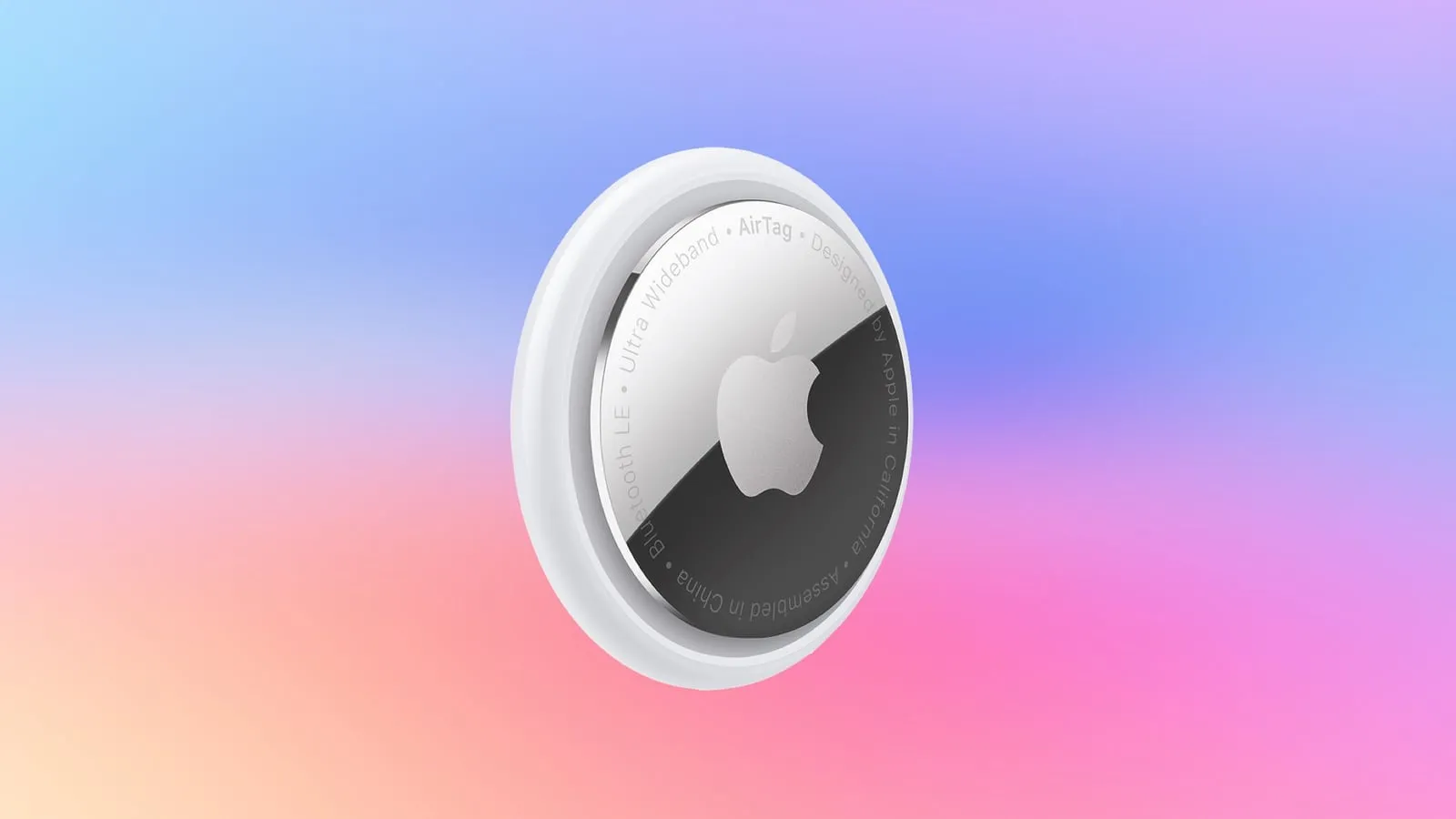
- AirTag 2, single pack — $18 (regular $29, $11 off). No code, US, Best Buy with Amazon matching. MacRumors calls it a new all-time low, $5 below the previous record. Verdict: buy it if you have a paired item to track. via
- MacBook Neo 256GB — $599 (regular $699, $100 off). No code, US, Amazon; Citrus colour only at this price. The 512GB model with Touch ID is $749.99, down from $799. Verdict: the entry Mac is finally an easy recommendation. via
- M5 MacBook Air 13-inch, 16GB/512GB — $989.10 ($310 off). No code, US, Amazon; the 15-inch 16GB/512GB is $1,196.10. MacRumors calls these the best post-price-hike discounts tracked. Verdict: the strongest laptop deal of the week. via
- Meta Quest 3S — $297 ($52 off). No code required, US, Best Buy or Amazon; includes Golf+ (a $29.99 value) and 1,800 in-game credits ($9.99). The deal is back in stock after selling out last week. Verdict: the cheap way into VR, with a golf game thrown in. via
- Galaxy Buds 4 Pro — $170 (regular $250, $80 off / 32%). No code, US, Amazon, in black or white. 9to5Toys says it is the lowest straight cash price tracked this Black Friday season. Verdict: solid, provided you skip the membership/bundle tricks. via
- OLED iPad mini (A20 Pro) — $599 (regular $699, $100 off). No code, US, Amazon; an all-time low on the newly released OLED model. Verdict: the price jump this generation stung less at $599. via
- Google Pixel 10 — $599 ($200 off, 25%). No code, US, Amazon; Android Central calls it a record-low Black Friday price. Verdict: the easiest way into Google's flagship this week. via
Absurd & Over-the-Top
Five things that make you ask who exactly is buying these. Three sit firmly in "the price is the story" territory; two are just gloriously specific.
1. Anker SOLIX E10 whole-home backup, 6kWh — $3,609 (list $4,299; use code 9TO5DEALS5 for the extra $190 off). The deal page links this configuration to Amazon US, ASIN B0GFD4QB7B, and quotes $3,799 before the code. Who pays this? Someone whose idea of a Black Friday treat is never thinking about the grid again. via — this is the issue's single Amazon US entry; the ASIN was read from the deal page's direct product link.
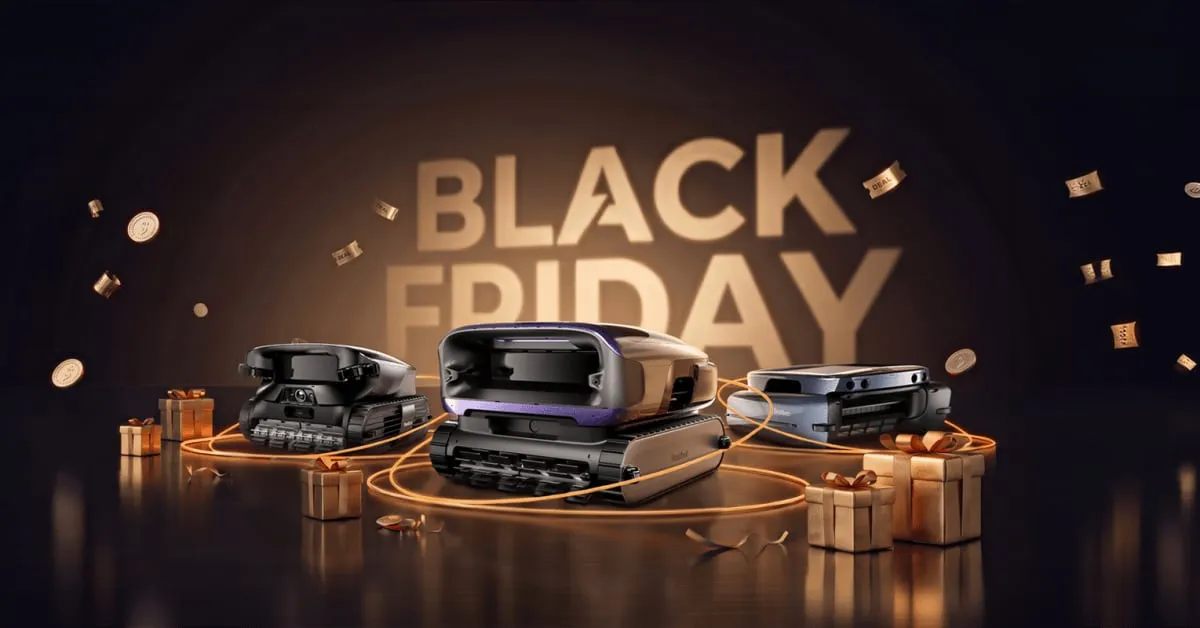
2. Beatbot Sora 70 robotic pool cleaner — $949 (list $1,499; code AFF5, a $550 total markdown and an all-time low). A five-in-one robot that scrubs walls, floor, waterline, surface and the shallow-end steps, with a 10,000mAh battery good for about seven hours. Who pays this? A person who has already accepted that a swimming pool is a second job. via
3. Zpacks DupleXL Pro ultralight tent — $849. The tent for backpackers who are tall and tired of sloping end walls. Zpacks rates it for sleepers up to 6 ft 6 in, with an eight-foot floor down the centre, 90 inches at the corners and two 12-inch struts that hold the roof off your face. Width drops to 50 inches to get that length. Who pays this? Someone whose height has been a personal grievance on every previous trip. via

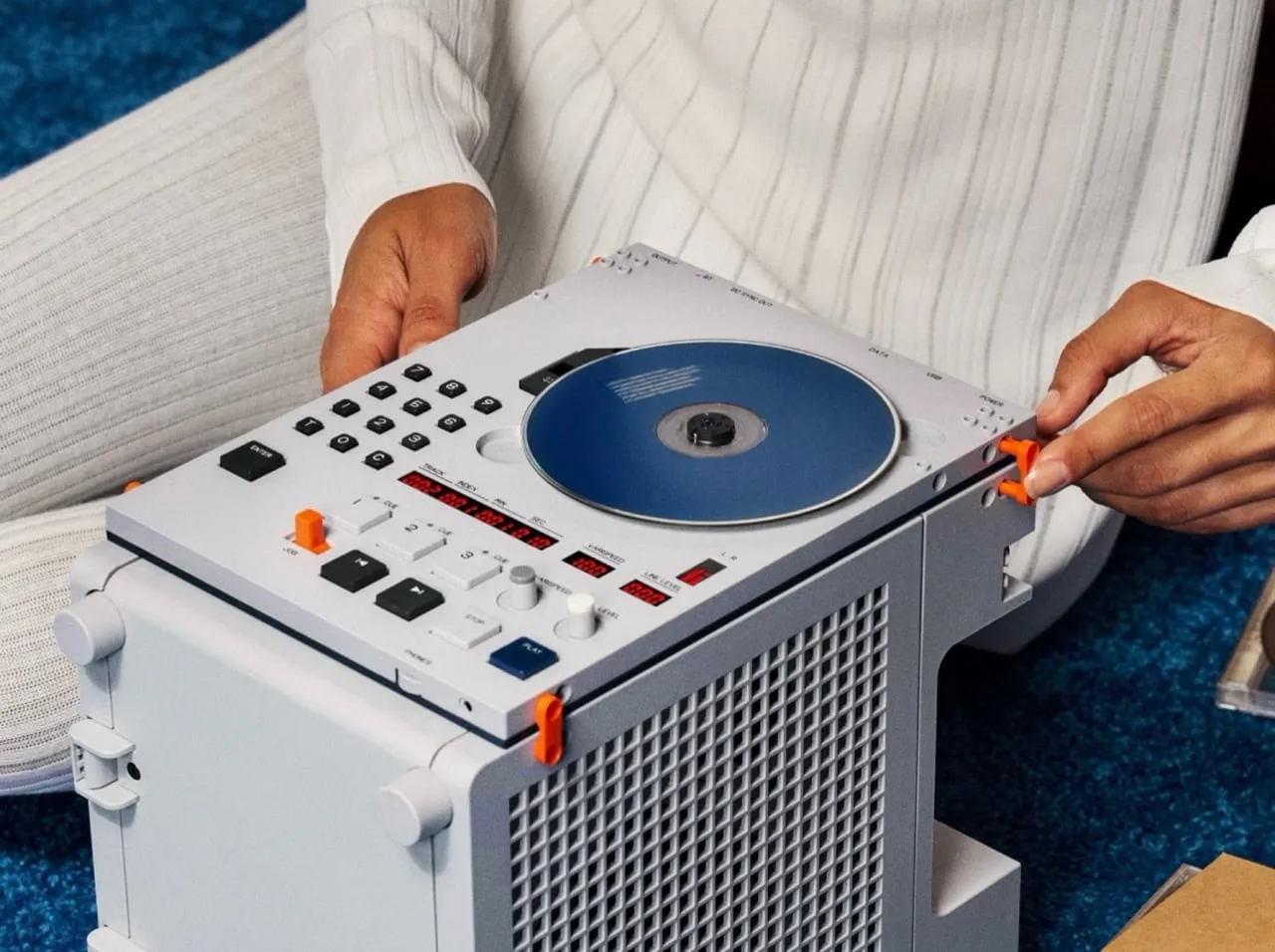
4. Teenage Engineering's first CD player — $329. Modular, orange toggles, a numeric keypad, and a price that treats a 58.6% US CD-revenue rebound as a business plan. Who pays this? A grown-up who owns the discs and, until now, had nothing to play them on. via
5. Pebblebee Halo — $33 (regular $60, 45% off, Prime-exclusive). A Bluetooth tracker that works with both Apple Find My and Android Find Hub, and hides a flashlight, a 130dB siren and a 150-lumen strobe under a magnetic cap. Who pays this? Somebody who wants their keys to be able to scream. via
Explained
How a phone talks to a satellite. Hackaday's explainer walks through the two architectures. Apple uses Globalstar's network, whose satellites orbit at 1,414 km — high enough that bandwidth is tight and text messages need compression before they go up. Android took the 3GPP Release 17 NB-NTN route with Skylo, which owns no satellites itself but leases capacity from Viasat, Ligado, Echostar and Terrestar through ground stations. In both cases you still need a clear view of the sky. via
Surveillance pricing, explained. Ars Technica traces how companies use personal data to show different people different prices. ZipRecruiter reported an 84% profit increase in 2018 after adopting it; the FTC said in 2025 that at least 250 companies used surveillance pricing. Then-FTC chair Lina Khan described retailers tailoring prices using everything from location and demographics to mouse movements. via
"Edge rot" is not burn-in. Rtings' accelerated longevity test — 18,000 hours of intensive use — found dead-pixel clusters along the edges of 14 of 16 WOLED televisions made between 2020 and 2023. The suspected causes are manufacturing contamination or encapsulation defects, not a static image left on screen. via
Reviews & Comparisons
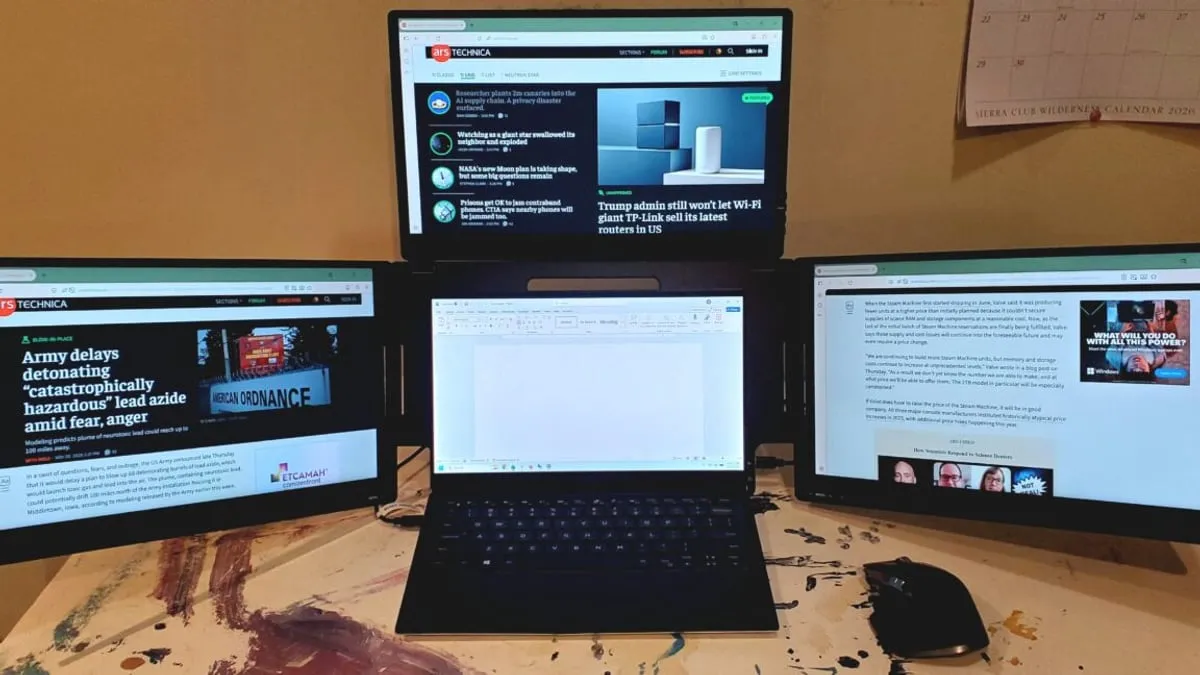
Tri-screen portable monitors — Ars Technica spent time with the X90G, a fold-out rig with three extra displays that supports Windows, macOS (M1 or better), Linux and Android. It tops out at 17.3-inch laptops. The verdict: four separate screens are genuinely useful for some workloads, but misaligned bezels mean your eyes keep getting pulled to the panel above your laptop. via
Which 2026 Galaxy Tab? 9to5Google's comparison table runs from the $199.99 Tab A11+ through the $699.99 S11 to the $1,199.99 S12+ and $1,399.99 S12 Ultra, with release dates and Best Buy Black Friday prices. The S12+ is called the sweet spot for anyone who wants a serious upgrade without the largest screen. via
Sam's Club vs Costco mesh Wi-Fi — BGR compared how the two warehouses sell mesh kits. Costco publishes prices and carries more user reviews with higher ratings; Sam's Club hides online pricing behind a membership. Inventory and local availability matter more than branding here. via
Apps & Tools
Kagi Mail (public beta) — An ad-free, no-profiling email service with a @kagimail.com address or your own domain. Tracking pixels are proxied, new senders are held until you approve them, and power users get Sieve rules and a read-only MCP server. It works with Apple Mail, Thunderbird and any IMAP/JMAP/CalDAV client; native mobile apps are slated for Q3 2027. via
Google Translate's new icon — After eleven years with the same paper-fold icon, Google has given Translate a gradient redesign: rounded corners, a pale-blue language-character layer, and no physical crease. via
Google Meet goes 1080p for everyone — Streaming in 1080p is becoming the default on the web for personal Google Accounts as well as Workspace, up from 720p. The higher resolution used to sit behind the Google One 2TB plan when it launched in 2023. via
Ten paid Mac apps worth paying for — SlashGear's roundup argues that paid macOS software earns its keep through refinement, richer features and longer support rather than just being "not free." A useful counterweight to the endless free-app lists. via
Stalwart takes on Exchange — The open-source mail server project now describes itself as a drop-in replacement for Microsoft Exchange, covering mail, collaboration and anti-spam in one stack. via
Smaller local models, smaller files — The nari-labs org on Hugging Face is hosting a 10 GB GGUF build of Qwen3.8-27B that its listing bills as BF16-level — a sign of how far quantisation has come for people running models on their own hardware. via
Signals & Numbers
Berkshire stops selling Apple. The holding was unchanged through September 2026 after sales in 2024 and 2025. Apple's shares are up 29% this year and now make up roughly a quarter of Berkshire's public stock portfolio. via
CrowdStrike to buy Zscaler for $44 billion. The zero-trust security vendor deal, announced Monday, is expected to close around this time next year, subject to regulatory approval. The companies argue that combining their products will help customers adopt AI agents safely. via
AI data centres crash the climate party. The Verge reports that the electricity demand of data centres loomed over COP31 in Antalya, Turkey, which closed on Sunday without the clean-energy transition getting easier. One delegate's line: "Every climate minister in the world is thinking about this." via
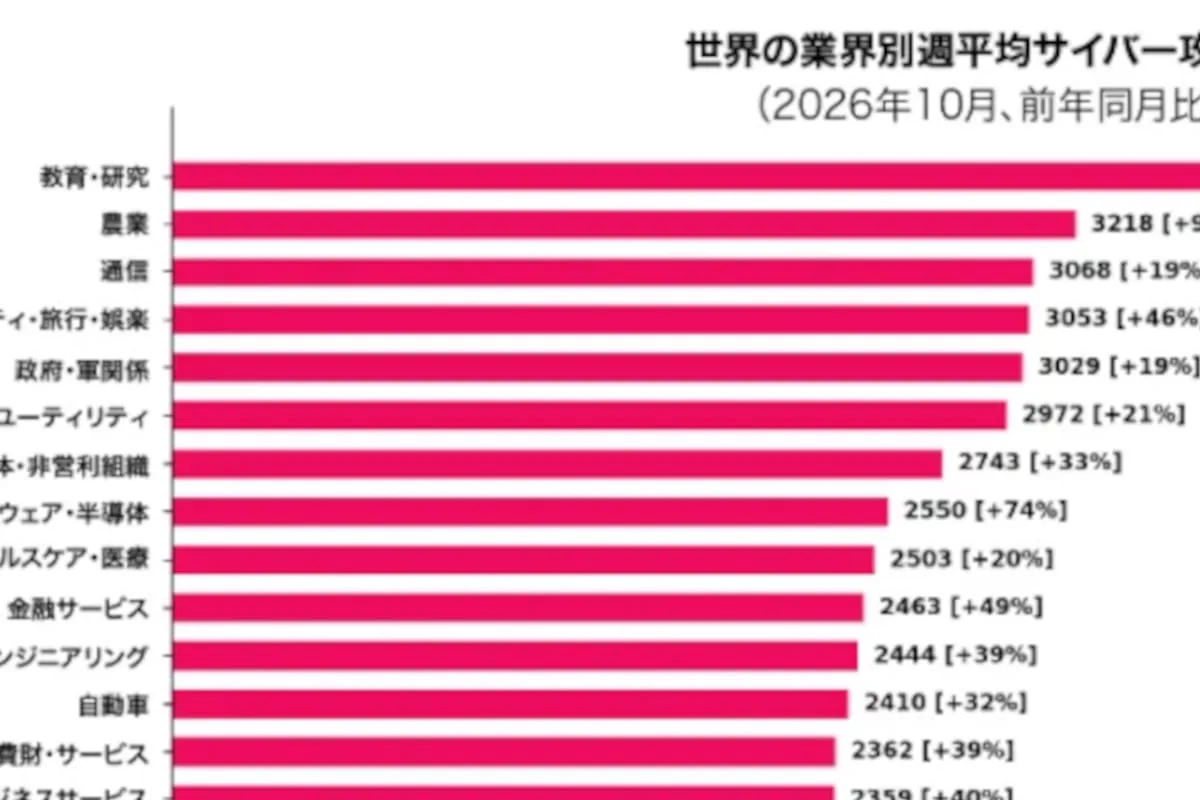
Japan by the numbers (non-English source). Japanese tech outlet ASCII.jp reported this morning that attacks per Japanese company rose 80% year-on-year in October, that the domestic SIEM managed-services market grew 19.5% to ¥14.25bn in FY2025, and that Google "AI Mode" searches are up 68-fold in a year. via
Cover photo: Pexels photo 17489151 / Pexels License.