inside the graphic design history of the world’s underground networks
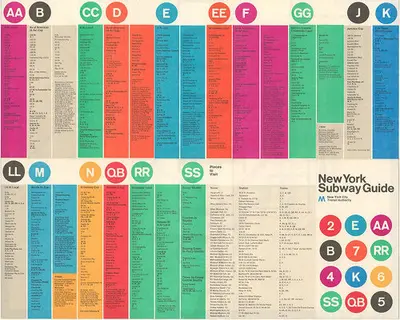
THE UNDERGROUND AS A DESIGN LANGUAGE
Subway maps, station signs, typography , and tickets are among the most familiar examples of graphic design, yet their visual histories are rarely considered outside the context of public transportation. In Paris, one of the most recognizable examples stands above the entrance to the Métro, Hector Guimard’s Art Nouveau lettering, framed by sinuous green cast-iron structures, glass canopies, and ornamental lamps. Designed around 1900 for the new underground railway of the French capital, the entrances brought a decorative quality to public infrastructure, making the word Métropolitain part of a composition that has since become synonymous with Paris. Guimard considered the lettering, ironwork, lighting, and surrounding structures as parts of the same composition, giving the newly established railway a recognizable presence above street level. More than a century later, the surviving entrances remain a reminder of a time when even the practical business of getting people underground offered an opportunity for design experimentation.
As subway networks expanded throughout the twentieth century, this attention to their appearance developed into a more systematic approach to graphic design. Cities needed maps that simplified complex routes, signs that passengers could read while moving through crowded stations, and typefaces designed specifically for public transportation. From London’s Johnston Sans to Adrian Frutiger’s lettering for the Paris Métro, these commissions produced graphic identities that extended beyond their original purpose, while tickets, travel cards, and other printed objects became part of the visual culture of urban life.
Hector Guimard Entrance Gate to Paris Subway (Métropolitain) Station, Paris, France c. 1900 | image via MoMA
THE LETTERS THAT GUIDE THE CITY
Some of the most recognizable typography in graphic design was first developed for public transportation. Designed to make station names, directions, a
Comments
No comments yet. Be the first to share your thoughts.