What melting sea ice reveals about the Arctic’s unusually rapid warming
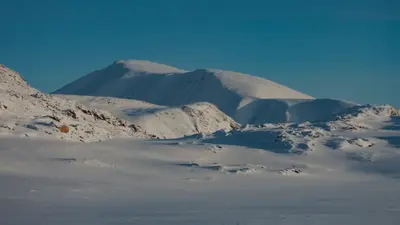
Sea ice expands across the Arctic Ocean each winter and retreats as temperatures rise in spring and summer. That cycle still shapes the region, but it now plays out with less ice.
Compared with two decades ago, the ice left at the end of summer covers less of the ocean and is generally younger and thinner.
The temperature record shows how quickly the region is changing. A 2022 study found that the Arctic warmed at nearly four times the global average rate between 1979 and 2021. Scientists call this outsized rise in temperature Arctic amplification .
The gap is most pronounced in late fall and early winter, when much of the Arctic gets little or no sunlight. Why does the region warm fastest relative to the rest of the planet as its darkest months begin?
Shrinking sea ice lets the ocean absorb more heat
Human-caused greenhouse gas emissions are raising global temperatures, and the retreat of Arctic sea ice amplifies that warming. Snow and ice reflect much of the sunlight that reaches them. Scientists call this reflectivity albedo .
When ice melts, it exposes darker water that absorbs more sunlight. That added heat can melt more ice, exposing still more water.
The effect on air temperatures unfolds over several months. During summer, some of the extra energy goes into melting ice, while the open ocean stores some as heat. In fall, as the air cools, the ocean begins giving up that stored heat.
Sea ice acts as insulation between the relatively warm ocean and the colder air above. Once the water freezes over, that transfer slows. Where ice forms later, the exposed ocean can keep warming the air into early winter, long after the sunniest months have passed.
Arctic warming builds up close to the surface
In winter, the air just above the Arctic surface is often colder than the air higher up. This arrangement limits vertical mixing. When the ocean releases heat, much of the resulting warming can stay in the lowest part of the atmosphere.
Where that warming occurs a



Comments
No comments yet. Be the first to share your thoughts.